You are viewing 1 of your 1 free articles
Autumn Budget 2025: six key takeaways for the sector
Chancellor Rachel Reeves opted for wide-ranging tax tweaks in the long-awaited Autumn Budget to balance the books. Ellie Brown and Ella Jessel run through six takeaways


 Autumn Budget 2025: six key takeaways for the sector #UKhousingChancellor Rachel Reeves opted for wide-ranging tax tweaks in the Autumn Budget to balance the books. Ellie Brown and Ella Jessel run through six takeaways #UKhousing
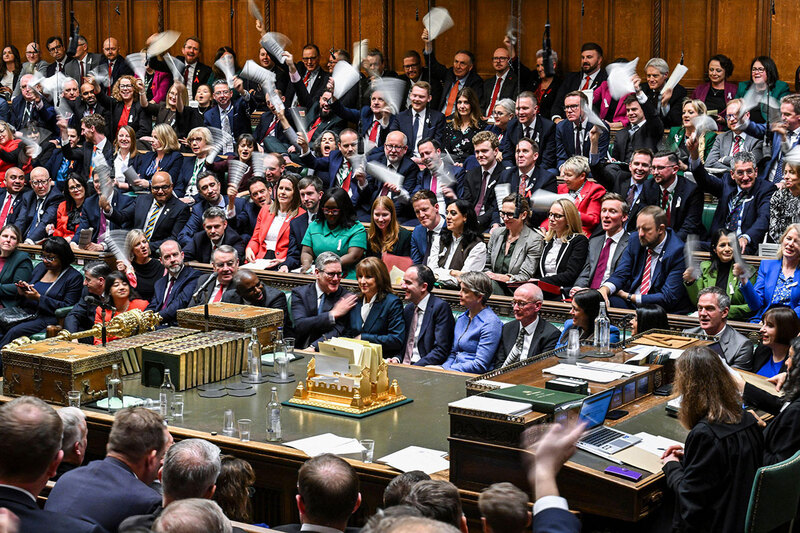
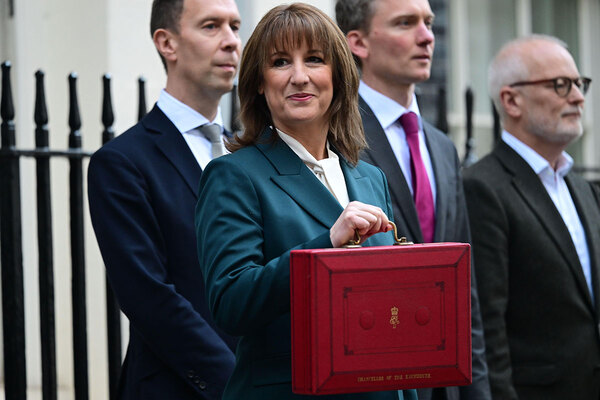
The Autumn Budget is finally here – a month later than usual. It seemed that even the Office for Budget Responsibility (OBR) had become impatient as it accidentally published its response to the fiscal statement well before chancellor Rachel Reeves stood in the House of Commons to deliver it.
This error sent the Commons into disarray, but the chancellor eventually rallied to set out a £26bn package of tax rises that she hopes will plug the multibillion-pound gap in the Treasury’s finances.
After the “historic” £39bn announced for social and affordable homes in the Spring Statement, the next fiscal event was always going to feel a bit flatter for housing.
Social landlords had been expecting a decision on rent convergence, but this was pushed to January. Meanwhile, mention of unfreezing Local Housing Allowance (LHA) rates was entirely absent.
Despite the lack of big-ticket announcements, buried in the Budget detail were plenty of funding pledges and policy shifts that will affect players across the housing sector.
Inside Housing’s coverage yesterday included no fewer than seven stories on the Autumn Budget and the OBR’s (premature) reaction. We have also rounded up the sector’s reaction here.
Here are six key takeaways from the Autumn Budget 2025.
Read more

LHA still frozen and rent convergence delayed
As the Budget approached, the clamour for unfreezing LHA rates grew louder. Leaders of 40 groups across the housing sector urged Ms Reeves to address the shortfalls between rents and LHA rates, with the call backed by a cross-party group of MPs working to end homelessness.
But with bigger welfare reforms in the frame, Ms Reeves opted to keep LHA rates the same. Sarah Elliott, chief executive of housing charity Shelter, said Labour’s decision will “condemn thousands to another grim winter without a secure home”.
Rent convergence was another key ask, with the sector expecting the chancellor to announce its decision on a £2 or £3 increase after a consultation earlier this year. Instead, a decision on this has been delayed until January.
There was no subsidy increase for temporary accommodation, but the Treasury said it will lead a value for money review of homelessness services. This will look at ways of improving the supply of quality temporary accommodation and supported housing and foster “greater co-ordination” between different parts of the state.
More money for planning officers and Warm Homes Plan
The Budget included £48m for a major recruitment drive in the planning sector, with the aim of bringing 350 planners into the system. This will be delivered by expanding a planning graduate scheme and creating a planning careers hub to retain and retrain mid-career professionals.
Maintaining the level of funding in the the Warm Homes plan was also a concern raised by sector bodies, including the Chartered Institute of Housing and the National Housing Federation.
It was welcome news then that the plan received a £1.5bn boost in capital investment to tackle fuel poverty, in addition to the £13.2bn of funding allocated during the Spending Review in the summer. Scrapping the Energy Company Obligation (ECO) scheme will put £59m towards funding this, the Treasury said.
The end of ECO, which requires suppliers to make homes more energy efficient comes after the most recent iteration, ECO4, ended in failure with widespread installation of inadequate solid wall insulation.
Taxes for mansions and landlord rental income
The so-called “mansion tax” was confirmed in the Budget. This means that from April 2028, owners of properties identified valued at over £2m will be liable for an annual charge – called the High Value Council Tax Surcharge – to be collected on top of their council tax.
There will be four price bands and the surcharge will rise from £2,500 for a property valued in the lowest £2m to £2.5m band to £7,500 for a property valued in the highest band of £5m or more. The OBR has estimated this will raise £400m by 2030.
However, Pete Marland, chair of the resources committee at the Local Government Association, urged the government to “urgently work with us on the details” to avoid “unintended consequences” on any future council tax reform.
“This surcharge should not create confusion over accountability, with councils likely to be blamed for a charge that is not theirs,” he warned.
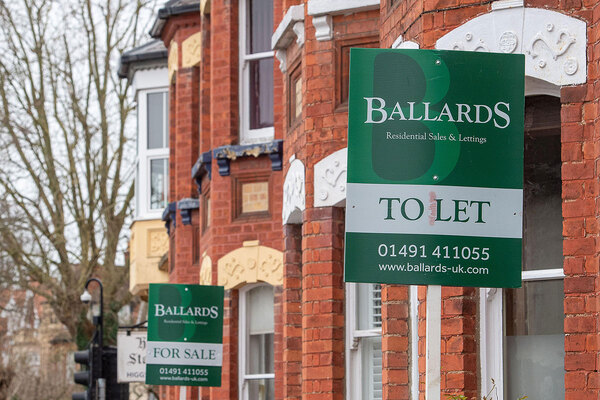
Landlords will also have to pay higher tax on property income, which will increase by two percentage points from April 2027.
“A landlord with an income of £25,000 will pay nearly £1,200 pounds less in tax than their tenants with the same salary, because no National Insurance is charged on property, dividend or savings income,” Ms Reeves said.
Two-child benefit cap scrapped
The Budget set out a series of welfare reforms. One change that had received widespread backing from charities and housing associations ahead of the Budget is scrapping the two-child benefit limit in Universal Credit from April, which will take an estimated 450,000 children out of poverty.
The chancellor had been widely expected to axe the policy that was originally brought in by the Conservatives eight years ago. Scrapping the cap will cost the government between £2bn and £3bn per year over the next five years.
Speaking in the Commons before announcing the move, Ms Reeves highlighted the issues faced by children growing up in poverty who wake up “in a cold home, or in another B&B”, as well as the financial toll of temporary accommodation on councils.
Another change is in how the government will treat the earnings of people who live in supported or temporary housing and claim housing benefit or Universal Credit.
Following a call by a coalition of more than 150 groups from across the housing sector, Labour has agreed to bring in new earnings disregards. It said will make sure most tenants living in supported or temporary accommodation do not earn less if they work more hours.
This reduction of the benefits “cliff edge” will be brought in from next autumn and cost the government £25m per year in five years’ time.
The move has been hailed as a “significant victory” by youth homelessness charity Centrepoint, which led the campaign for the reform.
Alongside these changes, the government will make further tweaks to welfare, including bringing together how housing benefit and pension credit is administrated, which would lead to estimated annual savings of £265m to the taxpayer by 2030-31.
Devolution funding
The government revealed that around a quarter of the £5bn National Housing Delivery Fund will be devolved across seven regions in the UK. The fund, announced in June and set to launch in spring 2026, aims to make complex housing regeneration and infrastructure projects viable.
Around £1.3bn of the funding pot will go to both established and non-established mayoral strategic authorities through the integrated settlement, Labour confirmed during the Budget. The money will be split among the following regions: Greater Manchester, Greater London, Liverpool City Region, the North East, South Yorkshire, West Midlands and West Yorkshire. Together, they represent nearly 40% of people in England.
Between them, these regions will also receive at least £13bn of cash announced in this year’s Spending Review as part of integrated settlements over the next four financial years.
Other regions in England could also see a move to integrated settlements in the next few years, as Labour stated that the government “remains committed” to rolling out this funding model to more places at the next Spending Review.
The chancellor highlighted this in her speech as she told MPs: “It’s not just what we invest in that matters, it’s how we invest… putting money and power back in the hands of local and regional leaders.”
More funding for regeneration outside of London is another element of the government’s devolution drive. Mayors in the 11 areas of the North and Midlands with the most growth potential will receive cash from a £902m fund over four years. Mayors in these regions will also be given access to a £500m Mayoral Revolving Growth Fund, which will allow them to invest in growth projects alongside the private sector.
Mayoral strategic authorities will also be able to bid for around a fifth of the new Social and Affordable Homes Programme. “Around £7bn through the successor to the Affordable Homes Programme,” the government said. This will allow the authorities to “set strategic direction for social and affordable housing in their areas,” the Budget stated.
Scotland, Wales and Northern Ireland will have their own local growth fund to support regeneration, backed by £783m over three years. The pot will be administered by the offices for the nations alongside the Ministry of Housing, Communities and Local Government.
VAT reforms for social housing
The Budget revealed that the government will soon consult on reforming VAT rules to encourage development on land earmarked for social housing.
This follows calls from sector groups earlier this month for the government to review VAT in the Budget, albeit on remediation and retrofit rather than development.
The National Housing Federation called for zero-rating VAT on building safety works and extending the zero-rating of energy saving materials to 2030, to place regeneration “on a par with new builds”.
Sign up to Inside Housing’s Daily News bulletin
Sign up to Inside Housing’s Daily News bulletin, featuring the latest social housing news delivered to your inbox.
Already have an account? Click here to manage your newsletters.
Related stories