You are viewing 1 of your 1 free articles
Affordable target of 40% in new towns will be ‘difficult’ for housing associations
Housing associations will find it “difficult” to take on affordable homes built in new towns if the government sticks to its target of 40%, a House of Lords inquiry has been told.


 Affordable target of 40% in new towns will be “difficult” for housing associations #UKhousing
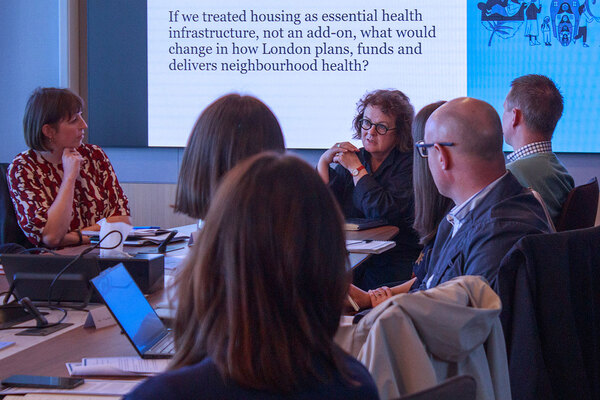
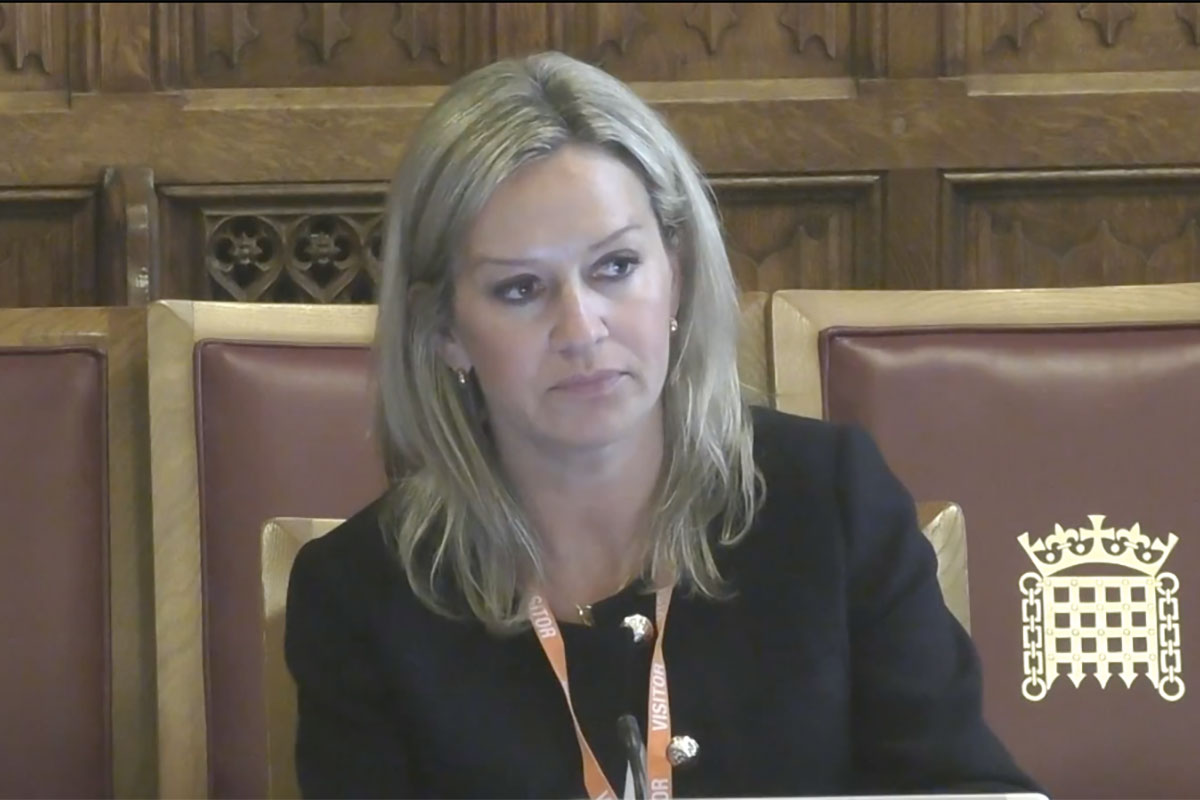
Appearing before the Built Environment Committee, Caroline Foster, development director at Urban & Civic, said the government will need to provide additional funding and support to deliver its affordable housing goal.
“With the challenges that we’re seeing with the housing associations at the moment, I think it would be difficult to take 40% affordable. In all honesty, they [housing associations] absolutely need support,” Ms Foster said.
This would range from funding to help housing associations buy up the properties, to increased support for local councils, said the development chief, whose firm has 20 large strategic sites across the UK and is behind Waterbeach New Town in Cambridgeshire.
Read more
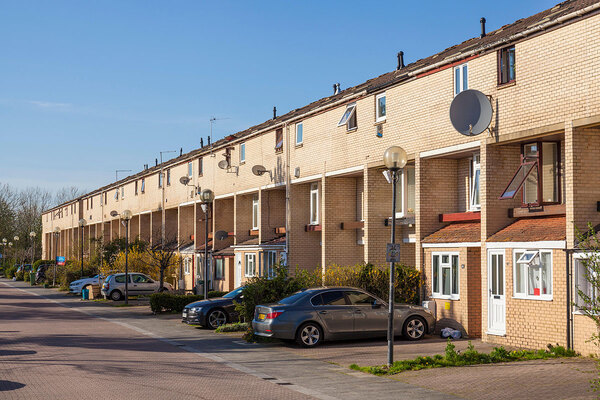

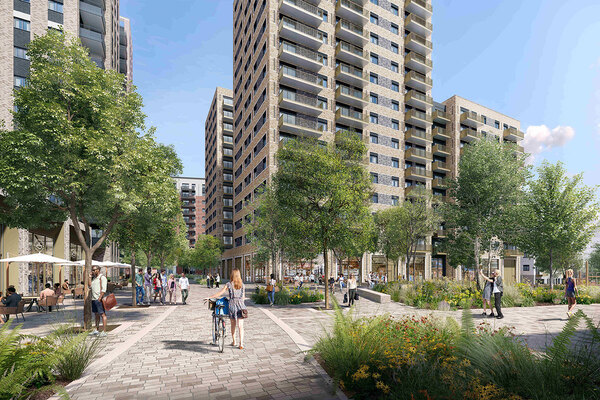
The target is set out in the government’s New Towns Code, which states that the new wave of settlements will aim for 40% affordable housing with a focus on genuinely affordable social rent homes.
Yet the panel of experts called to give evidence to the inquiry, which included Melanie Leech, chief executive of the British Property Federation (BPF), and Charlotte Neal, director of professional practice and research at RICS, were sceptical over whether it was feasible.
Ms Neal said that a “blanket rule” did not take into account varying demand around the country and could lead to projects not being viable, especially given material and construction cost rises. “40% is great but if it means the scheme is unviable, then you get nothing,” she said.
The inquiry, headed up by Lord Gascoigne, was launched in March and is exploring a range of issues relating to the practical delivery of new towns and expanded settlements, including how to ensure they are successful.
Asked by the committee how the private sector could support the government in its aim to build more social housing, Ms Leech said the only way of getting the “amount of social housing that is needed” is through grant funding.
She pointed to a report produced by the BPF last year which found that if the government was to increase social housing investment by around £10bn, that could unlock the same amount of capital from the private sector, and lead to the delivery of 145,000 affordable homes a year.
“There’s a big prize there. Almost by definition you can’t deliver homes at sub-market return through the private sector, but there are ways we can come in and support and underpin the housing association model if the government puts in the grant funding,” Ms Leech added.
The evidence session explored a range of other issues focusing on the delivery of new towns and the role of the private sector, including land assembly, the use of compulsory purchase orders and the need for a collaborative approach between the public and private sectors.
Highlighting the example of Thamesmead in London, Ms Neal flagged up the challenge of how to keep large-scale developments running over a long time period and changes in polls at a local and national level.
“There needs to be some certainty that if people invest at the beginning, 20, 30, 40 years later, there’s still going to be a will and a desire for that new town to be delivered.”
Speaking at the UK’s Real Estate Investment and Infrastructure Forum last month, chair of the New Towns Taskforce Sir Michael Lyons reiterated that 40% of housing in new towns will be dedicated to “genuinely affordable housing”.
More than 100 potential sites for new towns have been put forward by councils, developers and landowners to the taskforce, which is expected to recommend a list of locations next month.
Also last month, a report by consultancy WPI Strategy identified Leeds and Milton Keynes as the most favourable local authority areas for a new town.
It estimates the average cost of delivering a new town of 10,000 homes at between £3.5bn and £4bn. However, the government has since refuted that figure.
Sign up for our development and finance newsletter
Already have an account? Click here to manage your newsletters
Related stories