Developers must take some blame for BSR’s 30,000-home logjam, Dame Hackitt says
Developers have “played a part” in creating the backlog of homes at the Building Safety Regulator (BSR) due to the poor quality of their schemes, Dame Judith Hackitt has said.


 Developers must take some blame for BSR’s 30,000-home logjam, Dame Hackitt says #UKhousingDevelopers have “played a part” in creating the backlog at the Building Safety Regulator due to the poor quality of their schemes, Dame Judith Hackitt has said #UKhousing
On Tuesday, the chair of the Industry Safety Steering Group revealed to an evidence session that 30,000 individual homes in high-rise buildings are caught up in the BSR’s system.
The regulator has been facing mounting criticism from the industry over the logjam. This week, it released data which showed that just 15 of 193 applications for new build high-rises submitted since 2023 have been approved.
The figures also revealed that scores of schemes have been rejected due to missing key information or not complying with regulations.
During the session, Dame Hackitt robustly defended the BSR, pointing out that developers “play their part in creating those delays”.
Read more



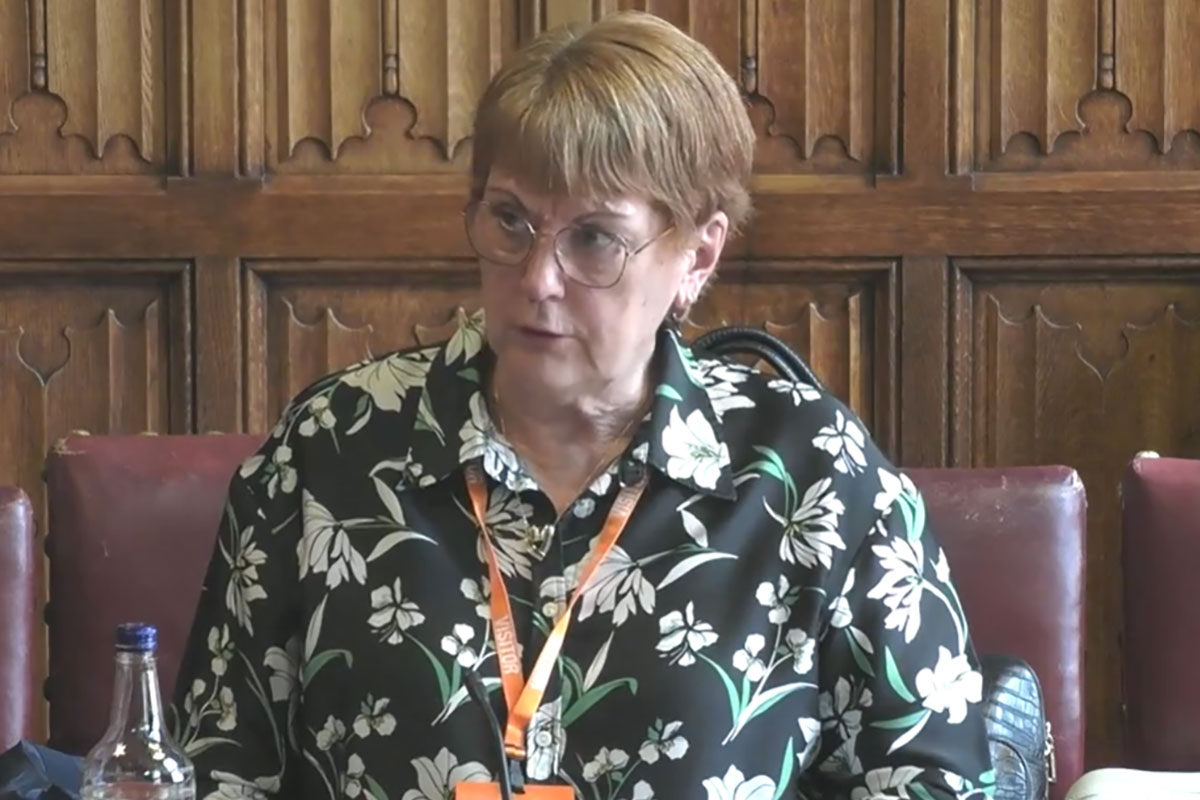
“If you could see some of the information that I have seen from the regulator about what they’re dealing with, my honest view is they [the BSR] has not done a good job of defending themselves and presenting their own case for just how poor some of these applications have been,” Dame Hackitt told the Industry Regulators Committee, which is looking into the BSR’s performance.
The engineer, who led the post-Grenfell Hackitt Review of building regulations in 2018, said she did not want the issue to become a “battle”, but said developers were omitting “basic stuff” from applications.
Dame Hackitt also said that “noise” surrounding the BSR delays has led her to fear the industry was not making enough progress in collaborating on culture change in construction and is concerned it could “head backwards”.
Committee member Lord Best said one of the key complaints from developers was that the BSR does not give precise information and asked if it should issue more guidance particularly around Gateway 2.
This was an option, said Dame Hackitt, but argued that a fundamental principle of the new Building Safety Act was that the sector should be taking part in developing joint guidance.
In comparison to other sectors such as oil and gas or aviation, which have “stepped up” after a disaster, the built environment sector has taken “far too long” to respond to Grenfell, Dame Hackitt said, with change only just starting to happen five to six years in.
The key sticking point for schemes making their way through the BSR’s process is Gateway 2, a checkpoint where developers have to show how the proposed work complies with building regulation.
Dame Hackitt says the “friction” arises because the sector is not ready with enough design detail to answer some of the questions the BSR requires, with design and build contracts in particular facing a “fundamental problem” in crossing the hurdle.
The BSR is now in discussion with the industry about a staged approvals process that will help ease the challenge, she said.
Some companies are now only engaging in projects where there is a two-stage bidding process so design work is completed upfront.
“There are others, of course, who want to retain the same design and build contract system as always. [Albert] Einstein tells us very clearly, ‘If you keep doing the same thing, you won’t get a different outcome,’” she added.
In a previous evidence session to the Lords committee, Matt Voyce, executive director – construction at developer Quintain, described working with the BSR as “challenging, frustrating and costly”, and said some developers are waiting for up to a year for approval for their schemes.
The recent BSR data showed it takes an average of 36 weeks to secure gateway approval on new build projects.
From 1 October 2023 to 31 March 2025, only 45% of applications had a decision made within the statutory determination period.
The BSR has acknowledged “there are delays in processing applications and we continue to introduce improvements”.

Related stories