Grenfell bereaved treated like ‘criminals’ while searching for loved ones, inquiry hears
Survivors and bereaved from the Grenfell Tower fire were treated like “criminals and crooks” as they desperately tried to find out information about loved ones in the wake of the blaze, a bereaved family member has said.


 Grenfell bereaved and survivors treated like “crooks” and “criminals” while searching for loved ones #UKhousing
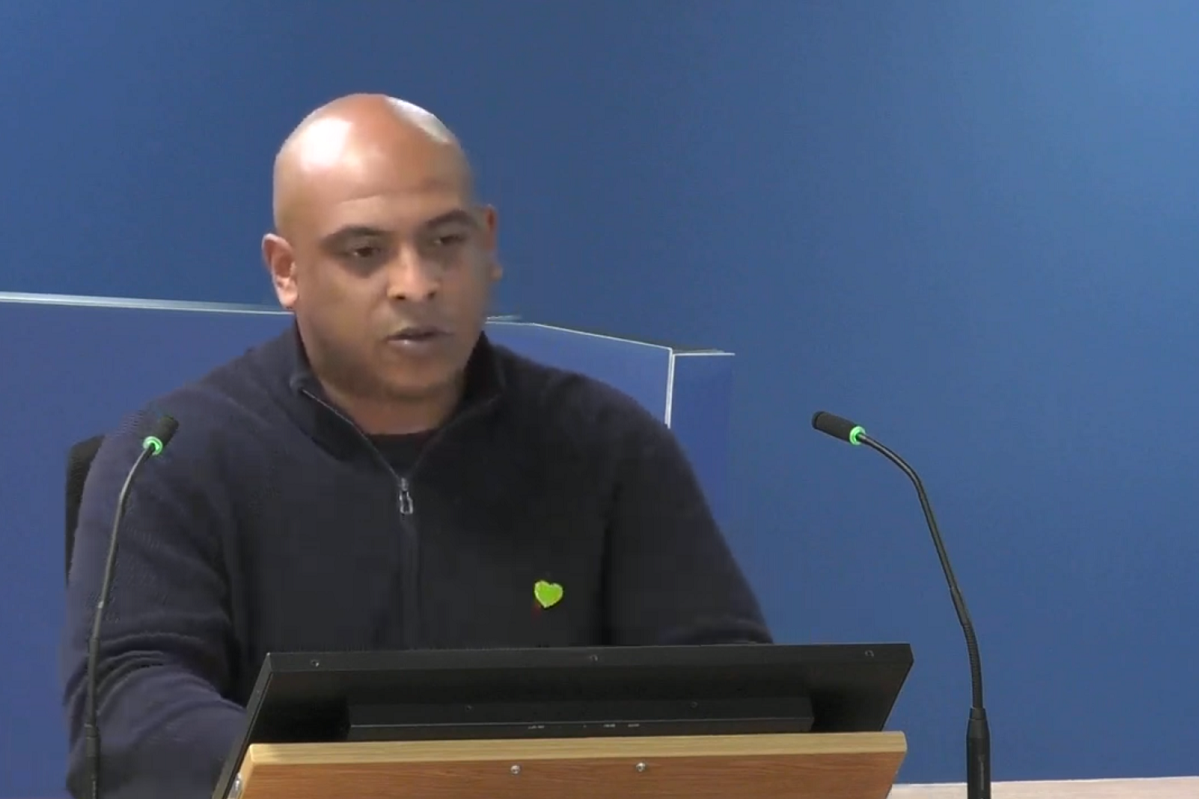
 Karim Mussilhy, whose uncle Hesham Rahman died in the fire on 14 June 2017, told the Grenfell Tower Inquiry that he believed police were “not there to help”, “were ready for a fight” and that residents were painted as “criminals” and “crooks”, while the Royal Borough of Kensington and Chelsea (RBKC) offered no support.
The inquiry heard that the communication was so poor in the days after the tragedy that the first time Mr Mussilhy began to believe his uncle, who he said was like a father to him, was dead was when he saw London Fire Brigade T-shirts placed in front of the tower the day after the fire.
Firefighters had written notes on them, one of which said “to all those on the 21st floor and above we are sorry we couldn’t get to you”.
Mr Mussilhy’s uncle lived and died in Flat 204 on the 23rd floor of the tower. He had health problems and struggled with mobility, but the council still placed him near the top of the tower without assessing his ability to escape in an emergency.
The inquiry heard that Mr Rahman would be forced to stay in his flat on the “many” occasions the lift broke down.
Mr Mussilhy first heard about the fire at about 6am on 14 June from his wife.
“I remember being in the bathroom and hearing this scream. I’ve never heard my wife scream like this before. And it scared me – it felt like somebody had broken into the house,” he said.
Read more
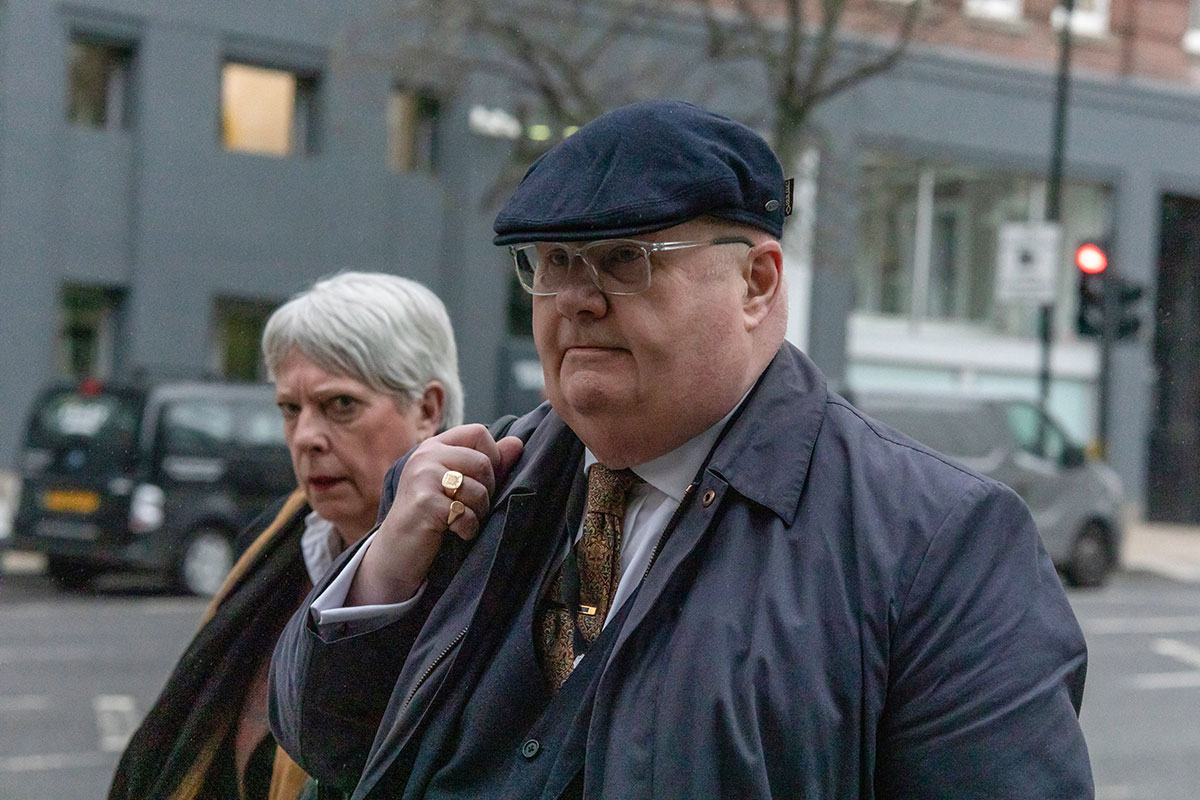
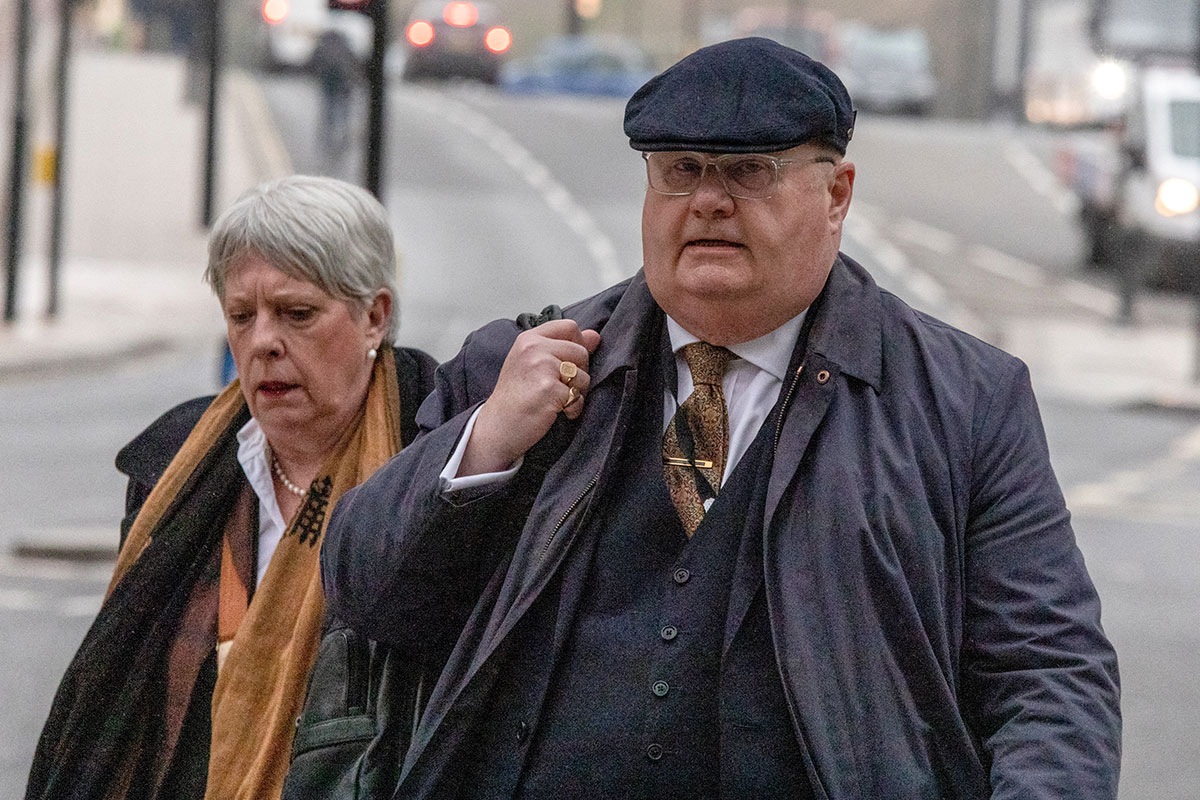 Pickles insists he ‘could not have made a difference’ to Grenfell as he gets number of victims wrong
He made his way to the tower and arrived at about 7.20am, to a chaotic scene he described as something like a “horror film”.
“I couldn’t believe what I was looking at, but it was like something from a horror film or disaster film.
“It was just crazy and the smell – I can still remember the smell of this burning plastic – I’ve never smelled anything like this before in my life. I can still remember the smell to this day,” he said.
The inquiry heard that as Mr Mussilhy travelled around the makeshift ‘rest centres’ which had been set up to accommodate survivors, he had trouble accessing them as he was not a resident of the tower.
He also saw no one from the council or the Kensington and Chelsea Tenant Management Organisation (KCTMO).
Much of the evidence was focused on the lack of communication from the council, KCTMO, and government.
The inquiry heard yesterday that RBKC sought to “instil fear” against survivors of the Grenfell Tower fire in the immediate aftermath of the blaze, as it refused outside help and the emergency response collapsed in “spectacular fashion”.
Lawyers for bereaved and survivors said the response was left in the hands of RBKC, with the council declining outside help as “that would look like we can’t cope”.
Mr Mussilhy said people were “abandoned”.
He said he kept thinking he would see someone official from the council or government, but he “never saw anybody”, which shocked him.
Mr Mussilhy said the rest centres were not letting him check if his uncle was there and he wished there was somebody from the council or KCTMO to help.
He said although police were present after the fire, it seemed like they were “ready for a fight” and told anyone who wasn’t supposed to be there to “move along”.
“It just never happened and as the days went on, it just became more and more apparent and more and more frustrating … the realisation [that] we were completely left alone.
“We were abandoned in the worst way possible while we were looking for my relatives and they could have helped.
“We were in such a dark limbo for a long time,” he said.
Mr Mussilhy said he couldn’t face going home to his grandmother and family because he had no information about what was going on.
“Five years later these crooks, these criminals – the government and local authorities – they’ve not learned their lessons.
“They let people die in the most horrific public way and don’t even help their families lay them to rest, or to find them, or to understand anything that had happened to them.
“They just stuck their head in the sand and tried to portray that we were some sort of criminals or crooks or were going to form a mob.
“That seems to be their main interest – it’s not helping us, or looking after the families, or the people that survived.
“They were more concerned about an uprising,” Mr Mussilhy said.
He said there were tensions but residents didn’t want unrest, they just wanted the police to find their loved ones.
“That’s the picture that the council and government and the media painted of us, that we were these crooks, these mindless fools that were going to ruin our community and riot and that wasn’t the case,” he said.
Mr Mussilhy and his family did not find out his uncle was officially dead until August, two months after the fire.
“Even to this day, I don’t think anybody from the council or TMO has ever contacted my family about the death of my uncle or my uncle being missing,” he said.
The inquiry was also told that a staff member of KCTMO who lived locally had been told not to go to the area and not to wear his uniform.
Mr Mussilhy said: “He was really angry and upset about this. I remember him saying to his senior that ‘I’m from this community, they will know me, I’m not hiding. You should be ashamed of yourself’. And I think he quit his job.”
He said the only information available was through the community or via the news.
In the days that followed, although the family did get a family liaison officer, it was a “constant battle” to get information.
In a statement at the end of this evidence (in full below), Mr Mussilhy said he had “almost completely lost faith in humanity" since the fire. “It’s always the same thing everywhere – we suffer and they prosper. The system isn’t broken, it was built this way specifically to benefit them,” he said.
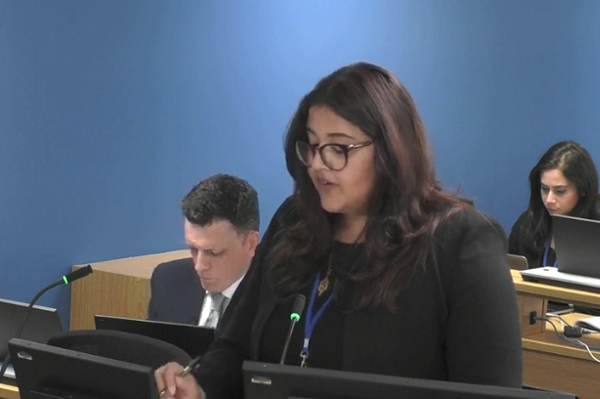
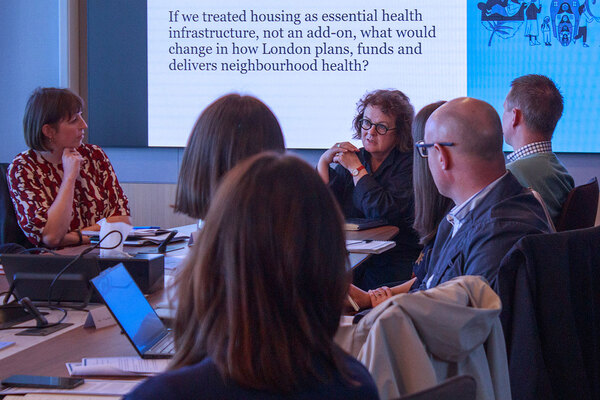
In the afternoon, Zeenat Islam, junior counsel to the inquiry (pictured above), read statements from the bereaved and survivors about their experiences in the aftermath of the fire.
The evidence included revelations that one resident, Peter John Murphy, had never received official confirmation about his father Dennis Murphy’s death.
He said: “I was never officially told that my father had died. I heard from the news that they confirmed my dad had died, but I just thought they had misspoken about it and would apologise about it later.”
Grenfell tower resident Jose Vieiro said the Westway Centre, which was one of the rest centres supposed to offer support to people from the tower, was similar to a “concentration camp” as people were forced to wear wristbands.
Another resident said this meant they were easily identifiable to journalists in the area, some of whom Mr Mussilhy earlier described as “parasites” preying on vulnerable residents’ trauma.
Residents reported being unable to get in – after having fled the fire with nothing, they were asked for identification, which they did not have because they had lost all their possessions.
Suhayb Hirsi said: “When I arrived, I was asked for identification at the door. I explained that I did not have any identification, given everything was still in our flat in the tower.
“They continued to ask me for some sort of identification. I had to wait until the person at the door was not looking and sneak into the centre. It was absolutely ridiculous – I had to sneak into the place that was supposed to be offering me support.”
In the immediate aftermath, residents painted a picture of chaos, with people left petrified and not knowing or being told where to go.
Later they said communication was absent, people were forced to stay in unsuitable accommodation, financial support was not consistent and some people received none, while the council failed to proactively facilitate mental health support.
The inquiry continues.
Karim Mussilhy’s closing comments to the Grenfell Tower Inquiry
For me personally, Grenfell has completely changed my life, my family's life. The life we had before Grenfell is almost non-existent.
I thought we lived in a country where the people we vote for and the people put in place to look after its people, its most vulnerable people, would help, would come swooping in. And it never happened.
The sad part about that, Mr Millett, is that they never planned to. They don’t care about us. They care more about themselves, their pockets.
And I won’t go into the detail, because you questioned these crooks, these criminals who acted so fraudulently.
I mean, how many more politicians, ministers and lords are going to insult our families before something is done about what happened to us.
And it’s sad. I have almost completely lost faith in humanity. I’ve almost completely lost faith in the world, because it’s always the same thing everywhere. We suffer and they prosper.
And I’ve said this before, the system isn’t broken. It’s built this way, specifically, to benefit them.
Our families died in the most public and horrific way possible. And here we are five years later with no arrests, no accountability but the ones who were put in charge, or the ones who were involved, have been able to prosper since the fire.
And how can we allow this to happen? And I feel like as time goes on, the general public have forgotten about us, or every time they hear about us, they’re fed up.
And this is the problem. People need to see themselves in us. People need to understand that what’s happened to us and what’s happening to us is also happening to them.
Putting aside these corporates who behave the way they behave because it’s in their nature, it’s what they do, but the government?
The government’s duty is to protect us, to look after its people. But only last week a lord was here, calling our families ‘nameless’, getting the numbers mixed with up Hillsborough. He couldn’t even say Grenfell, he said Grenbell.
These are the people put in place, Mr Millett, to look after us. The government we elect, and we pay our taxes to and they can’t even get our family’s name right. They can’t even get the name of where our families remains still live to this day right.
And it’s sad. I’ve given up on the world. I think it’s completely messed up and I almost want to just create a bubble for me and my family and live in it.
I don’t do what I do with Grenfell United because I want to be an activist because it’s a battle we’re never going to win.
The government will do whatever they can to try to keep us quiet, sweep this under the carpet and continue to make money the way they have been doing for decades and either we change it, or we accept it.
I don’t know what changing it looks like. All I know is my uncle is gone, we’re never going get him back, our families are broken, and they will never be fixed. That’s all I want to say.
Sign up for our weekly Grenfell Inquiry newsletter
Each week we send out a newsletter rounding up the key news from the Grenfell Inquiry, along with the headlines from the week
Already have an account? Click here to manage your newsletters
Related stories