Sheffield Council drops 'insurance policy' option to cut housing waiting list
Sheffield Council has adopted a new allocations policy which hopes to cut the number of residents who remain on the housing register as an “insurance policy in case they require social housing in the future”.


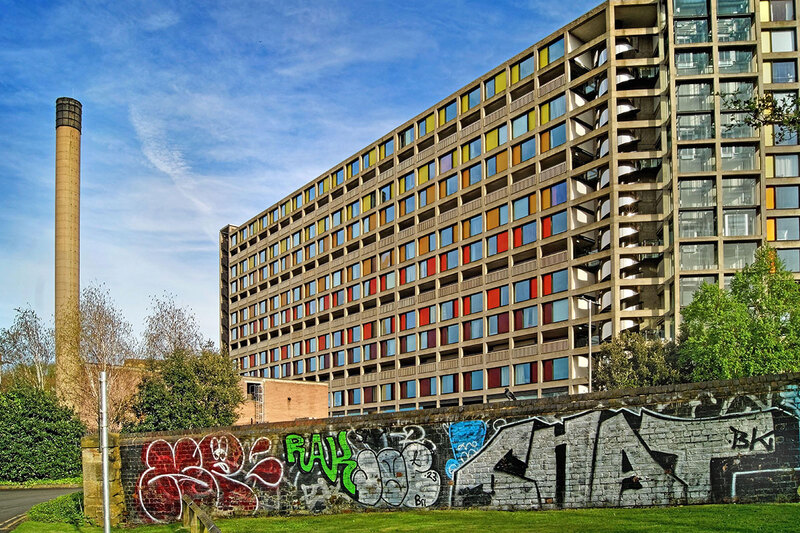 Sheffield Council drops 'insurance policy' option to cut housing waiting list #UKhousing
The council hope the new policy will be implemented by September 2026, and cut the number of households on its housing register which currently stands at 29,131, “the majority of whom are not actively bidding for properties”.
The city’s previous policy stated that “The size of Sheffield’s housing register is not an indicator of housing need because Sheffield has historically allowed applicants to register as an insurance policy and build up waiting time.”
Like many councils, the number of households with a priority claim on council housing has increased “from 633 in March 2020 to 1,290 in December 2025.
Read more


Of current priority awards, 64% are to homeless households owed a legal rehousing duty by the council,” according to the document.
Sheffield said that the 29,131 households on its waiting list was a snapshot figure as of 16 October, 2025, and of these, “over 10,000 people have never bid with a further 5,000 having not placed a bid in over 12 months.”
The cost to the council of managing this register “where 95% of households do not have an assessed housing need is more than £200,000 per year”, and with the reduction in the number of properties becoming available each week, the council says that “the current policy is no longer fit for purpose”.
The new policy will have seven bands from one - emergency, to six - general needs, and seven - reduced preference.
The new policy means that “applicants in Bands six and seven must place at least one bid every 12 months to remain on the Housing Register.”
Plus, they will now need to have a local connection to Sheffield of at least three continuous years.
Sheffield Council hopes that “overall, it is anticipated that the size of our housing register will initially reduce by approximately 15% and administrative costs will reduce by approximately £33,000 per year.”
Some expert organisations who responded to the council’s consultation on the policy expressed concern that refugees who had received a positive asylum application would be disadvantaged by the policy because they “would not have had the opportunity to acquire a local connection to Sheffield or anywhere else and have very limited housing options".
In a statement, James Clark, director of housing at Sheffield City Council, said that “this updated policy brings greater clarity and transparency to how council homes are allocated in Sheffield.”
He added: “These changes aim to support those in greatest need while making the system clearer for everyone who uses it. Thank you to everyone who participated in the consultation exercise.”
Sign up to Inside Housing’s Council Focus newsletter
Sign up to Inside Housing’s weekly Council Focus newsletter, featuring the latest affordable housing news focused on local authorities delivered to your inbox.
Click here to register and receive the Council Focus newsletter straight to your inbox.
And subscribe to Inside Housing by clicking here.
Already have an account? Click here to manage your newsletters.
Related stories