You are viewing 1 of your 1 free articles
 Chan Kataria OBE
Chan is Group Chief Executive of emh and has been in this role since 2004. Prior to this he held senior level positions in various local, ...more
How housing associations should prepare for a no-deal Brexit
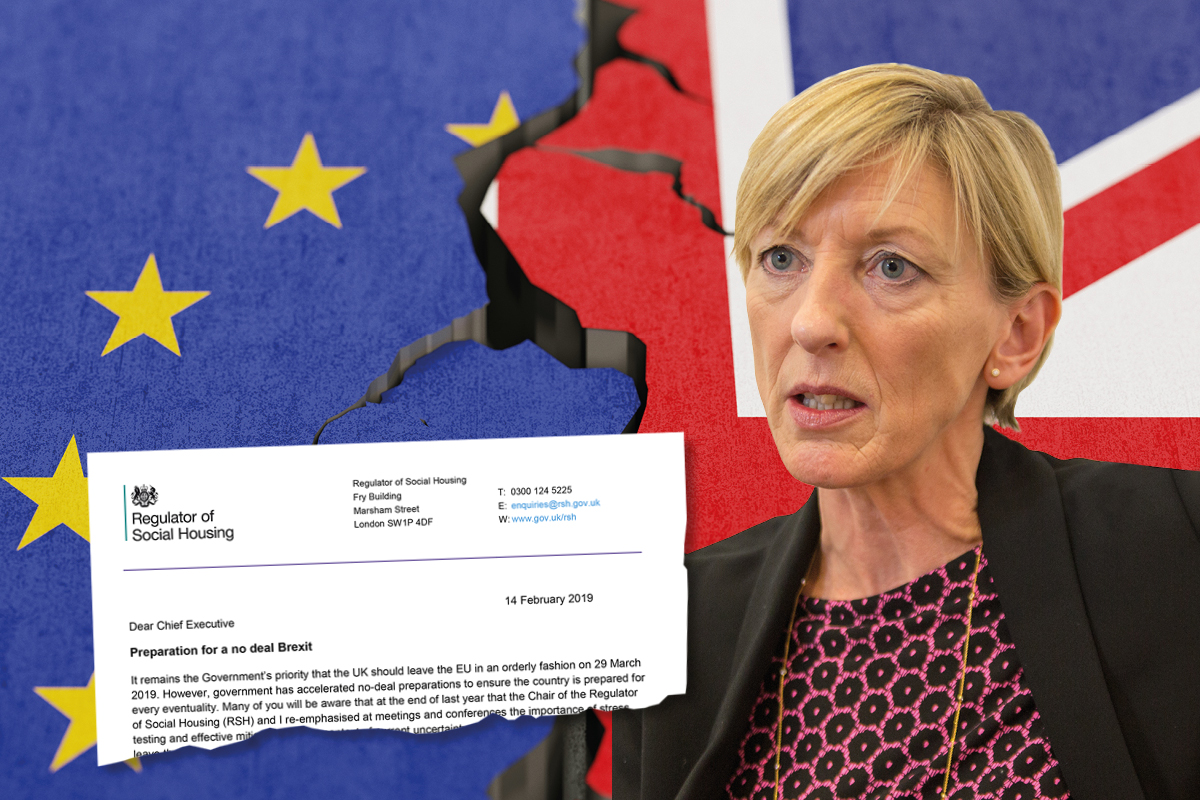
Housing associations need to go beyond their usual stress-testing in mitigating the impact of a no-deal Brexit on supply, funding and customers, writes Chan Kataria


 Housing associations need to go beyond their usual stress-testing in mitigating the impact of a no-deal Brexit on supply, funding and customers, writes @ChanKataria of @EMHGroup #ukhousingHow housing associations should prepare for a Brexit no-deal, by @ChanKataria of @EMHGroup #ukhousingReducing reliance on Section 106 and moving more towards land-led development is “the most effective mitigation against a declining market.” @ChanKataria sets out what he thinks housing associations should do to prepare for a no-deal Brexit #ukhousing
As we approach the next chapter in the long and chaotic saga of Brexit, we at EMH Group are thinking more and more about the implications of a ‘no-deal’ Brexit.
A no-deal scenario will inevitably lead to greater uncertainty and very likely translate into inflationary pressure and lower growth and jobs, at least in the near term.
So there is the potential for this scenario to affect many aspects of the work that housing associations do, including housing supply, funding and services.
Associations need to go beyond the traditional stress-testing of the financial plan and prepare for the worst-case scenario with actions to mitigate the impact of a downturn.
Let us consider the impact on supply, funding and customers in turn.
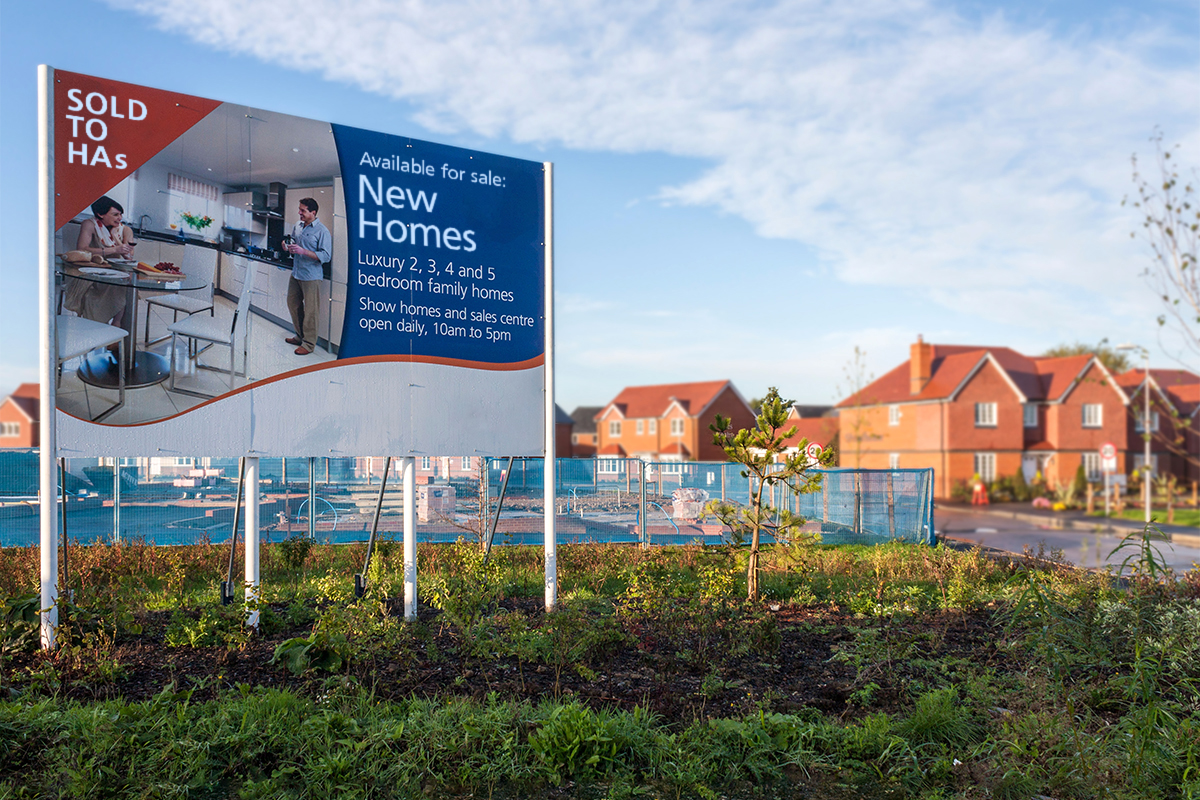
First, the impact on housing supply. A declining housing market threatens the viability of associations’ market-facing products such as shared ownership homes.
There are signs that Section 106 opportunities are reducing and this is the first manifestation of a slowdown in the building trade.
Read more


However, our business model means we can act counter to the economic cycle, as we did in the aftermath of the financial crisis a decade ago. When private builders stopped building, we stepped up.
Being a strategic partner with Homes England certainly helps here. We have the flexibility to convert tenures – from shared ownership to rent – if market conditions necessitate this.
Also, strategic partners can de-risk land acquisition to some extent by the favourable liquidity support we receive from Homes England, with payments linked to development expenditure rather than staged tranches.
At EMH Group we are changing our development model by reducing reliance on Section 106 and developer-led design and build contracts, and moving towards more land-led opportunities. Ultimately, this is the most effective mitigation against a declining market as we have greater control over the development process.
The second area of concern is in relation to the funding market. Increasing development requires new funding and more frequent access to money and capital markets. Turbulent financial markets are bound to be reflected in the availability and cost of new funding as lenders become more cautious.
“Reducing reliance on Section 106… is the most effective mitigation against a declining market”
While it is pleasing to see the sector taking more ownership and control through mechanisms such as MORHomes, we are in a position to take advantage of a range of funding mechanisms available in the market.
This means that short-term traditional bank credit of three to five years needs to sit alongside longer-term direct placements and public bond issues.
In hard times, cash is king and it is worth remembering that organisations are more likely to fall into difficulties due to liquidity problems.
A big question for boards is the extent to which we should hold more surplus funds now, compared with under ‘normal’ circumstances.
The third and final area of concern – and for me this is the most significant – is the impact on customers and communities. As always, the biggest victims in times of economic woes are those who are most disadvantaged in society.
The possibility of an immediate and further fall in the value of sterling will lead to inflationary pressures with increases in the price of food, fuel and other vital goods at a time when incomes of our customers are already stretched.
“It is important now to ensure that our approach to community investment and financial inclusion is not watered down”
Their living standards have been squeezed in recent years because of the prolonged impact of austerity and Universal Credit. Many of our residents have insecure jobs with low pay. Some of them are in debt and the last thing they need is their rent arrears to increase.
It is therefore more important now to ensure that our approach to community investment and financial inclusion is not watered down.
Our financial inclusion officers at EMH Group raised £1.2m of additional income on behalf of residents last year. This is income that, in the absence of such intervention, may have been lost.
Brexit is clearly a divisive issue and we need to be prepared for internecine tensions that may surface in the event of a no deal.
Evidence suggests that tenancy turnover and family breakdowns increase in difficult economic circumstances. Cutting back on our community investment is not the answer.
The effects of a no-deal Brexit on development and funding can be controlled. The same cannot be said about our communities, where the effects will be felt for many years to come. Whatever the eventual outcome, we must do everything in our power to support them.
Chan Kataria, chief executive, EMH Group
Related stories