You are viewing 1 of your 1 free articles
Government to certify fire risk assessors as £70m pledged for building safety skills
The government has revealed plans to bring in mandatory certification for fire risk assessors (FRAs), 18 months after it was recommended in the Grenfell Tower Inquiry Phase 2 report.


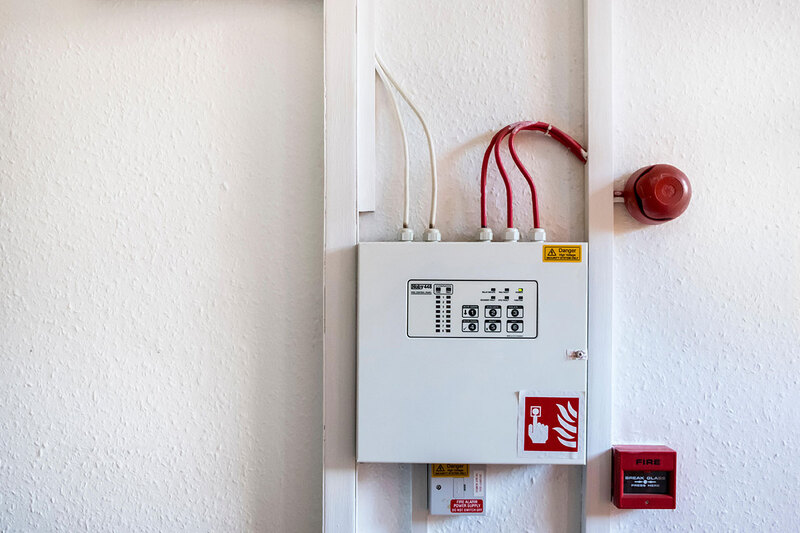 Government to certify fire risk assessors as £70m pledged for building safety skills #UKhousingThe government has revealed plans to bring in mandatory certification for fire risk assessors, 18 months after it was recommended in the Grenfell Inquiry report #UKhousing
The Ministry of Housing, Communities and Local Government has opened a consultation on a raft of reforms aimed at strengthening how the FRA profession is regulated in England.
These include bringing in a competency framework, certification, formal qualifications and a professional code of conduct for the role, with sanctions for people who break the rules.
Fire risk assessments are used to spot fire hazards in buildings and identify precautions needed to keep people safe.
By law, building owners must make sure these assessments are carried out in communal spaces in flats and are encouraged to seek expert advice in complex cases.
Read more
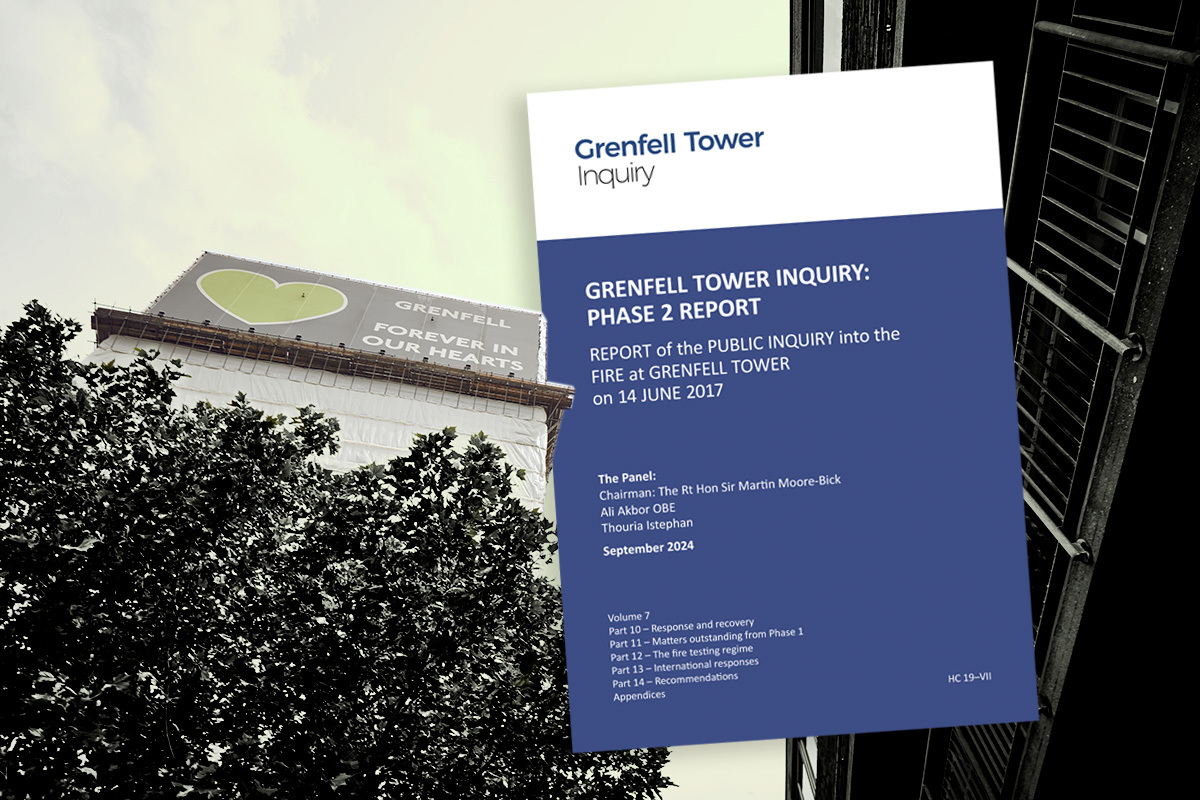
But the job of an FRA is not regulated and the Grenfell Tower Inquiry Phase 2 report found that the building’s assessment had serious shortcomings and was compiled by an assessor who lacked qualifications.
The government is now seeking to make FRAs a regulated profession by law, with the role to be overseen by the single construction regulator – though these changes would need to be approved by parliament.
The consultation gives further details on plans to overhaul how FRAs are regulated. One step is bringing in accreditation for the organisations that will certify FRAs. The government said the move is essential, though it is likely to have resource and cost challenges.
The government also said “cultural change” is needed in the built environment sector and competence for FRAs goes beyond technical ability, which is why it will bring in a code covering professional ethics and integrity.
The government said: “The wider role of fire safety professionals covers a range of duties, and we recognise for instance the potential for commercial conflicts of interest where an FRA or the organisation they work for stands to benefit financially from the recommendations made by their fire risk assessment.
“While we trust that many FRAs already uphold high standards of ethical behaviour, we believe that FRAs should be subject to a mandatory professional code of conduct.”
The regulator will have extra powers to cover breaches of the code, such as using false credentials and carrying out work an FRA is not qualified for.
The government consultation also covers how an FRA’s role should be defined, how career pathways can be developed for the profession and the extent to which building owners can carry out their own fire risk assessments.
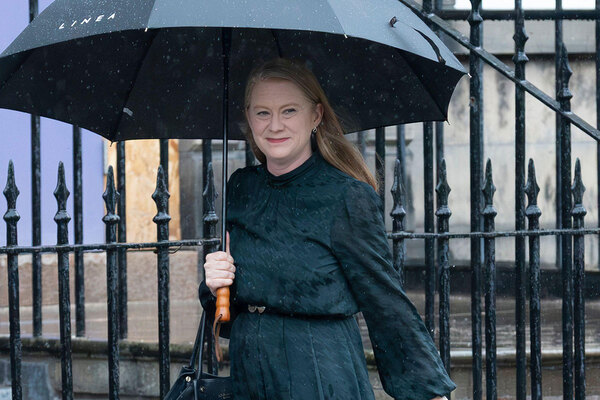
Samantha Dixon, minister for building safety, fire and democracy, said: “Fire risk assessors play a vital role keeping our communities safe from fires.
“I would strongly encourage you to respond to this consultation to help us introduce the right measures to make sure we have consistent competency across the profession.”
As well as revealing further regulation of the building safety sector, the government announced it would be investing £70m to tackle skills shortages in building control and fire engineering.
The majority of this money (£55m) will be used to boost the workforce of registered building inspectors in English councils, including training up to 700 new inspectors and upskilling others to deal with high-risk buildings.
The remaining £15m will go on post-graduate bursaries for fire engineers and expanding research and academic development in this sector.
Ms Dixon added: “We’re boosting the building safety workforce to get more skilled building inspectors and fire engineers into the system quickly to keep people safe and unlock the new homes this country needs.
“This is a vital step in building 1.5 million safe homes and ensuring we continue to deliver on lessons from the Grenfell Tower tragedy.”
Sign up to Inside Housing’s Building and Fire Safety newsletter
Sign up to Inside Housing’s fortnightly Building and Fire Safety newsletter, now including a monthly update on building safety from Inside Housing’s contributing editor Peter Apps.
Already have an account? Click here to manage your newsletters.
Sign up for the Warm and Safe Homes Summit 2026
Taking place on 15 April 2026 at 155 Bishopsgate in London, the Warm and Safe Homes Summit is a must-attend event for all those responsible for improving the quality, safety and energy efficiency of UK homes for tenants and residents.
Across the day of expert-led sessions, panels and case studies, delegates will deep-dive into the latest strategies for decarbonising housing stock, strengthening building safety culture, driving tenant-centred retrofit programmes and embedding robust compliance and governance practices.
Attendees will also explore practical approaches to funding, procurement and data-led asset management to support long-term sustainability goals.
The summit will bring together more than 500 housing professionals from across asset management, sustainability, building safety, tenant engagement, procurement, governance and compliance.
Related stories