You are viewing 1 of your 1 free articles
Mayor of London protects green belt
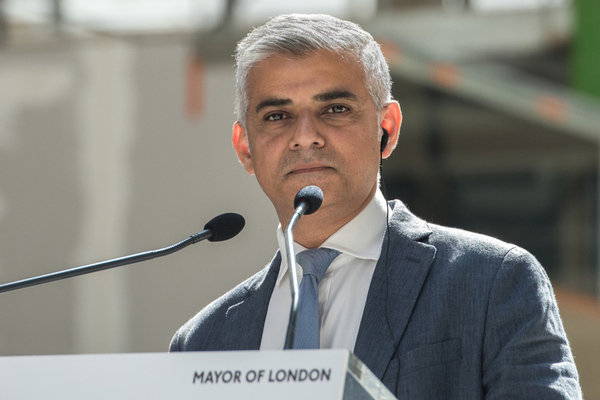
Sadiq Khan has announced strong protections of the green belt in London in his draft London Plan.


 The mayor protects the green belt even where “derelict and unsightly” #ukhousingSadiq Khan scraps the upper density limit on new housing #ukhousingOne academic warned that the mayor's new plan could push up house prices #ukhousing
The plan, published today, retains previous mayor Boris Johnson’s policy to protect the green belt. It says definitively: “The extension of the green belt will be supported, where appropriate. Its de-designation will not.”
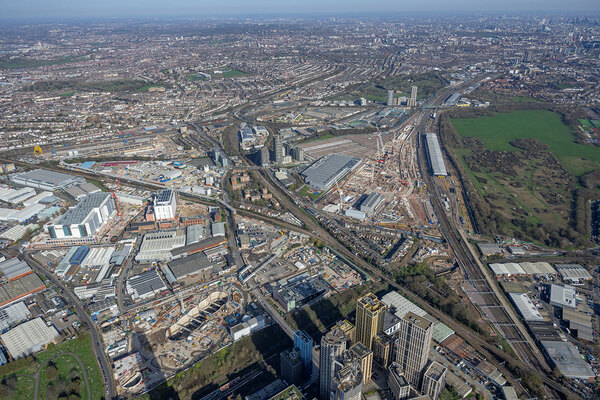
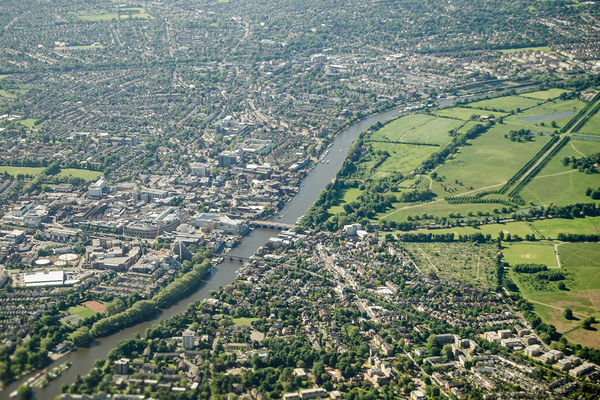
London’s green belt makes up 22% of the land area in the capital and the mayor has said he will protect it even where green belt land has “become derelict and unsightly”.
The plan explains: “These derelict sites may be making positive contributions to biodiversity, flood prevention and reducing the urban heat island effect [the increased temperature in London compared with surrounding areas].”
Read more


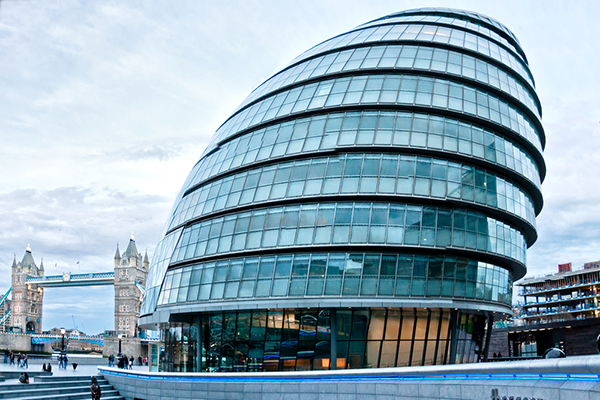

Sadiq Khan also revealed the borough-level targets that make up his overall target of 65,000 new homes a year. Many of these were lower than the government’s targets for London boroughs.
Borough targets for small sites were also introduced by the mayor. He has targeted 24,573 homes from small developments a year on average during the next 10 years.
The plan also requires new fire safety measures, as the mayor announced before its publication.
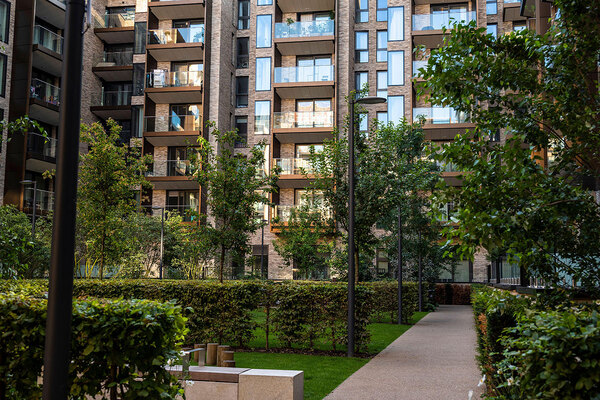
In addition, the draft plan scraps the so-called ‘density matrix’ for new development. This measure restricts the maximum housing density for new developments in proportion to public transport accessibility. For example, the further from a tube station a new development is, the less dense it could be.
A study by a team from the London School of Economics – commissioned by the Greater London Authority (GLA) last year – found that the density matrix was being widely ignored. It recommended that the measure be scrapped, which the mayor has done.
Professor Michael Edwards of the Bartlett School of Planning, however, warned in a blog post that the move “will further encourage speculative land buyers to overbid for sites, pushing prices up, confident that they can negotiate high enough densities with the boroughs to get their money back”.
Andrew Boff, the GLA Conservatives’ housing spokesperson, also opposed the plans, saying: “The abandonment of sensible unit restrictions will see families crammed into rabbit hutch developments with no provision for parking if they live anywhere near a train station.”
The plan makes some reference to estate regeneration, emphasising the principle that any homes demolished as part of regeneration should be replaced at the same tenure.
It makes no reference, however, to the controversial issue of compulsory tenant ballots, which were endorsed by Jeremy Corbyn in his speech to Labour conference in September. The draft version of Sadiq Khan’s good practice guide to estate regeneration was cautious about ballots and the final version of this document has since been delayed. It is now expected next month.
Related stories