You are viewing 1 of your 1 free articles
Author of heat network rules missed chance to disclose stake in smart monitor company
The lead author of the government’s new heat network regulations missed a chance to disclose its boss’ stake in a smart monitor company.


 The lead author of the government’s new heat network regulations missed a chance to disclose its boss’ stake in a smart monitor company #UKhousing
Consultancy FairHeat was hired by government as lead author of the Heat Network Technical Assurance Scheme (HNTAS), which is set to introduce mandatory standards for the design, construction and operation of heat networks.
Two years into its ongoing contract with government, FairHeat published a research paper justifying the “necessity” of HNTAS which repeatedly cites data from smart monitor company Guru Systems, without mentioning that FairHeat’s managing director, Gareth Jones, owns a stake in the firm.
Mr Jones is a co-founder of Guru Systems, which provides hardware and data analytics platforms for heat networks. He is also a director, sits on the board and is a shareholder in the company.
Read more

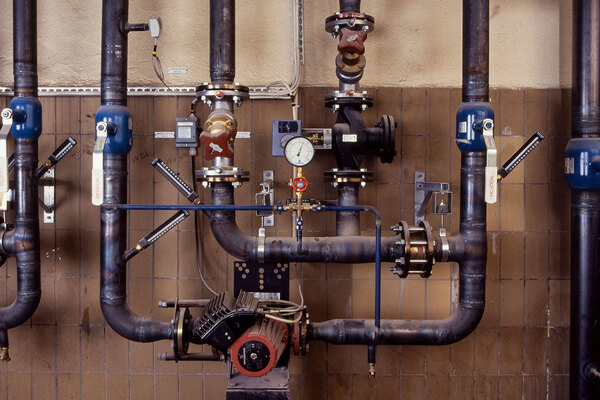
Under the plans authored by FairHeat, HNTAS will require every new and existing heat network to meet minimum standards, be certified to operate and have data on its performance collected and monitored.
A consultation on the draft regulations closes on 25 May. The government consultation proposes that “smart meter” requirements should be mandated in both new and existing heat networks.
In April 2024, two years after FairHeat was appointed lead author of HNTAS, the consultancy presented a research paper to the Chartered Institution of Building Services Engineers (CIBSE) technical symposium, an international engineering society, titled Evaluating the Financial Impact of Non-Assurance: The Necessity of the Heat Network Technical Assurance Scheme.
On three occasions, the paper cites a 2016 study by Guru Systems titled Diagnosing and improving performance of existing heat networks through innovative use of smart heat metering and data analysis.
The paper does not disclose the links between FairHeat’s managing director and Guru Systems. Mr Jones is thanked for his support in the paper’s acknowledgements.
When approached by Inside Housing, Mr Jones denied any conflict of interest. He told Inside Housing that he disclosed his interests to the Department for Energy Security and Net Zero (DESNZ) and that despite FairHeat’s ongoing role as lead author of HNTAS, DESNZ will make the final decisions on the regulations.
He told Inside Housing: “FairHeat is one of two organisations contracted by DESNZ to author the draft documents for the new Heat Network Technical Assurance Standards.
“We are proud of the level of industry engagement in this process, with more than 100 organisations providing input via industry working groups.
“DESNZ, together with Ofgem, were responsible for creating the draft metering and monitoring standards and the draft standards were published following a robust process.
“It is important to note that additional input on metering and monitoring standards was provided by a technical working group, chaired by DESNZ, featuring nine different metering and monitoring businesses alongside DESNZ, Ofgem and ScotGov, with Heat Trust, Energy Ombudsman and Consumer Scotland as three independent, external consumer organisations, dedicated to providing fair outcomes.
“DESNZ will make the decisions on the final metering and monitoring standards and the draft standards are still part of a live consultation process.
“As with any healthy consultation exercise there are some elements of the draft metering and monitoring standards which FairHeat disagrees with and we will submit a formal response accordingly.
“I would urge anyone who wants to inform and influence the final metering and monitoring standards to respond.”
A DESNZ spokesperson said: “All proper procurement processes have been followed. FairHeat’s contract includes standard measures to prevent conflicts of interest.”
FairHeat is scheduled to present another paper at this year’s CIBSE technical symposium on 26 March alongside Building Low Carbon Solutions and DESNZ, titled Heat Network Metering and Monitoring Standards: Regulating metering systems within UK heat networks.
Major social landlords have expressed concerns to Inside Housing about the cost of upgrading their existing heat networks to meet the HNTAS standards.
According to consumer protection group the Heat Trust, the cost of remediating all existing heat networks to meet HNTAS could be as much as £5bn, with social landlords and leaseholders potentially on the hook.
Although the government is providing £77m funding through its Heat Network Efficiency Scheme, it is unclear where the rest of the funding to meet the new standards will come from.
Sign up to Inside Housing’s Sustainability newsletter
Sign up to Inside Housing’s weekly Sustainability newsletter, featuring our in-depth coverage of the sector’s journey to delivering net zero.
Already have an account? Click here to manage your newsletters.
Related stories