You are viewing 1 of your 1 free articles
‘Landmark’ BLO ruling could make parent companies liable for building safety failings
A court ruling over liability for fire safety defects on a housing development could have far-reaching consequences for the implementation of the Building Safety Act 2022.


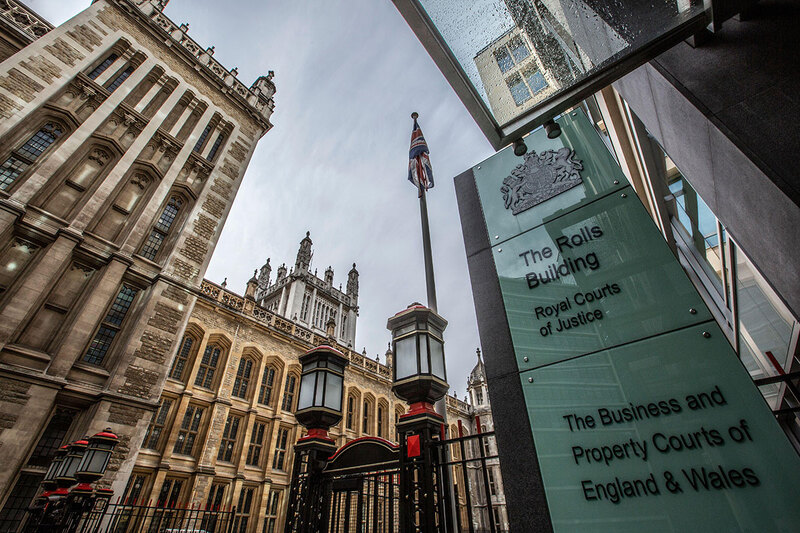 ‘Landmark’ BLO ruling could make parent companies liable for building safety failings #UKhousing
In a ruling that has been described as “landmark” by lawyers, the Technology and Construction Court this week ordered Ardmore Group, the parent company of the lead contractor on Portsmouth’s Admiralty Quarter development, to pay a £14.9m Building Liability Order (BLO) under the act.
Ardmore Construction Ltd was ordered to pay the same sum last year after it was taken to court by Crest Nicholson, the developer and leaseholder on the project. The firm entered administration the day before the order was handed down and did not pay the fine.
However, the group has now been ordered to pay by the court, in what it is thought to be the first use of an “anticipatory” BLO.
The ruling is a significant step in the implementation of the Building Safety Act and could impact more contractors if historic safety issues are found on their projects.
It extends future building safety liabilities beyond insolvent contractors and means other companies within the same group could be held liable.
Read more



The court found it was “just and equitable” to extend liability across the Ardmore group, pointing to the insolvency of Ardmore Construction Ltd, the group’s restructuring to isolate liabilities, common ownership and control, and evidence of serious fire safety defects.
The judgment sends a signal that insolvency and corporate restructuring will not shield contractor groups from historic building safety claims, with liability now capable of tracking across associated companies under BLO powers.
Mark Lennon, a construction partner at Gateley Legal, which acted for Crest Nicholson, said: “This landmark decision has far reaching implications for the construction industry.
“It significantly strengthens the ability of developers and building owners to recover remediation costs and reinforces the principle that those responsible for building safety risks will ultimately be held to account across group structures.
“Contractors, developers, funders and insurers will need to take a much closer look at group-wide exposure to BLOs at an early stage, particularly where adjudication, insolvency or restructuring is in play.
“The judgment sends a clear message that the courts will use the full breadth of the Building Safety Act to ensure that liability for serious defects rests where it properly belongs.”
It is understood that the contractor is set to appeal the decision in the High Court.
A spokesperson for Crest Nicholson said: “Crest is delighted with its landmark decision reached by the High Court – reinforcing the principle that those responsible for building safety defects should be held accountable.
“This victory demonstrates Crest’s ongoing commitment and resolve to hold companies to account, both in this instance and going forward.”
It is understood that Ardmore will appeal the decision.
A spokesperson for the contractor said: “We are disappointed by the court’s decision in relation to Admiralty Quarter, a project delivered almost 20 years ago.
“We do not consider that the legislation was intended to apply in this way, and we intend to appeal the judgment.
“This is not an isolated issue. It has profound implications for the wider construction sector, and we know that a significant number of other contractors are facing similar claims and will likely be closely monitoring how this case develops.
“As proceedings are ongoing, it would not be appropriate to comment further at this stage.”
Sign up to Inside Housing’s Regulation and Legal newsletter
Sign up to Inside Housing’s Regulation and Legal newsletter, featuring a weekly bulletin with news and insight on regulation, key legal rulings, legislation and court cases.
Already have an account? Click here to manage your newsletters.
Related stories