Edinburgh: Growth must meet our ambitions to be a climate-ready city
With a series of national and international awards recognising its action on climate, Cammy Day, leader of City of Edinburgh Council, explains how it is at the forefront of driving the change needed to make a real and lasting difference


 With a series of national and international awards recognising our action on climate, Edinburgh is at the forefront of driving the change needed to make a real and lasting difference #UKhousing
Go back to the Cities Encyclopaedia
The climate crisis isn’t going away. Temperatures are rising and the clock is ticking. A lack of action now will only make it harder and more costly to deal with its consequences in years to come.
In Edinburgh, we remain determined to play our part in the global fight to tackle the twin climate and nature emergencies. In 2023, we were named the world’s most sustainable travel destination, and we have been featured on the Carbon Disclosure Project’s Global A List. Last year, we were recognised as the top local authority in Scotland for action to tackle climate change, based on scoring by Climate Emergency UK, and our most recent updates to the Climate Strategy and City-Wide Emissions report demonstrate the progress we are making towards our ambitious targets.
Delivering a net-zero city is one of three core pillars in the council business plan, alongside ending poverty and creating good places to live and work. We aim to embed climate considerations through all council activities. Climate action should not come at the expense of other priorities or vice versa. Instead, we are learning how to ensure co-benefits to address our key priorities simultaneously.
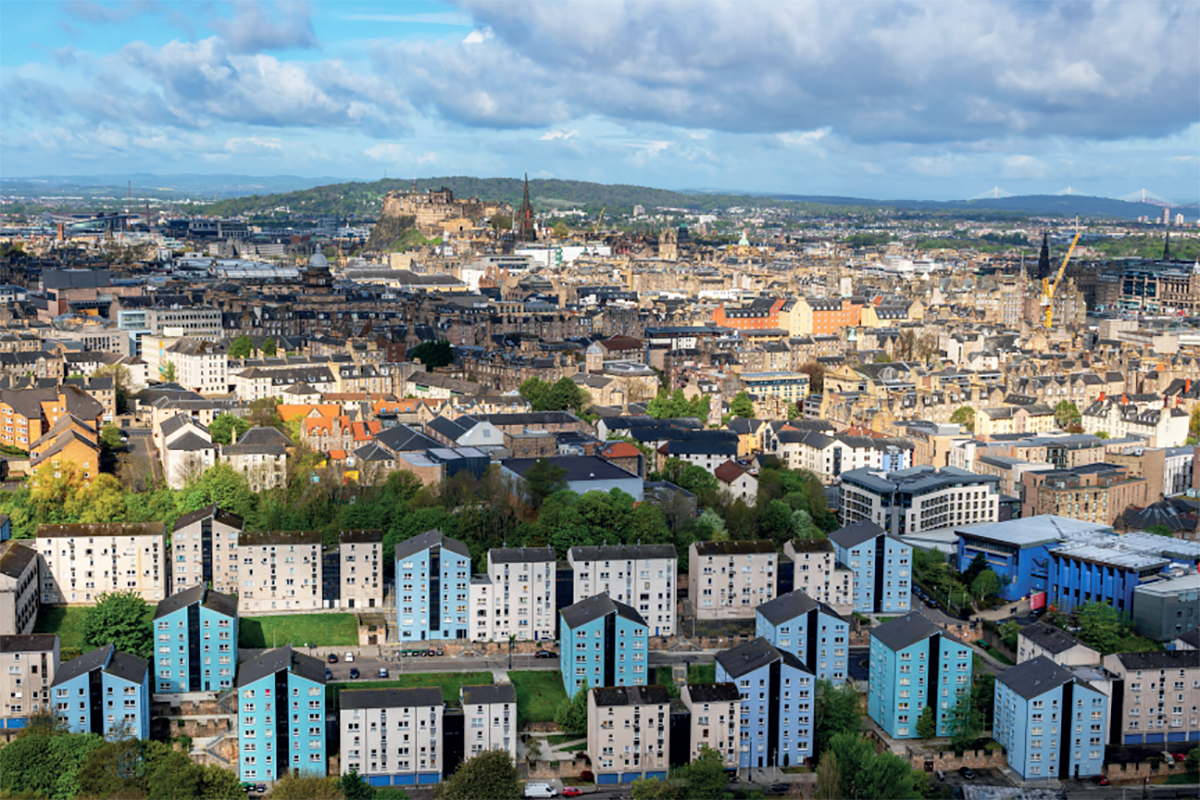
While we pursue urgent mitigation action to drive down emissions and curb climate change, we are also working on adaptation to ensure our city is resilient and ready for the climate change impacts coming our way. This includes action on flood prevention and minimising the impact of overheating. We have a new climate-ready Edinburgh draft plan out for consultation, are developing a green-blue network across the city, surpassed our annual tree-planting target last year in our aim to be a one-million-tree city, and have a sustainable urban drainage system (Suds) partnership to reduce future flood risks while protecting our natural environment and supporting nature.
Read more
The council is responsible for 3% of the city’s emissions. We continue to prioritise decarbonising our estate and fleet as our highest-emissions sectors, while embedding climate change in all we do, including awareness-raising through employee training to ensure climate change is a key focus across all services.
The draft city plan 2030 seeks to drive changes in all areas for climate-positive, nature-adaptive action. It will ensure new development is net zero, resilient to the changing climate and helps nature recover. Growth must meet our ambitions to be a climate-ready city where new homes are built to the highest emissions-quality standards, in resilient, connected neighbourhoods, in the right locations, with the right infrastructure.
New green spaces
As part of our regeneration of places, we aim to deliver new green spaces and cleaner air, increase biodiversity and reduce flood risk. We are building adaptation into our infrastructure planning by managing rainfall and improving drainage through better-designed street and park landscapes. Edinburgh’s green-blue network will help to reduce flood risks, high temperatures and wildlife loss, while protecting places for nature to live.
The built environment remains our biggest challenge. Decarbonising both domestic and non-domestic buildings across the city is a key focus in Edinburgh, while balancing the investment needed to tackle our current housing emergency, where demand continues to outstrip supply significantly.
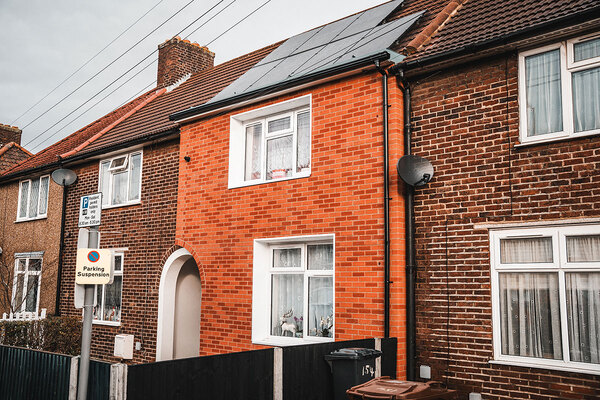
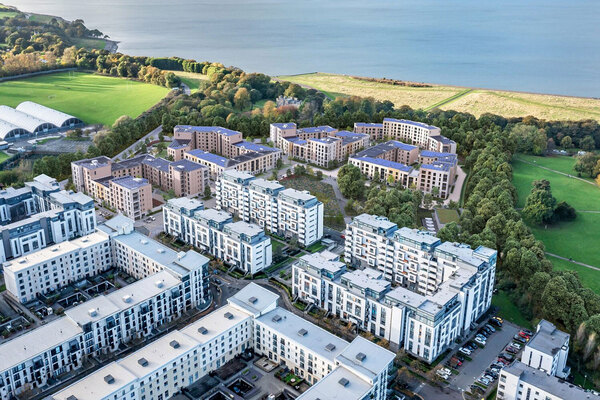
Recently, we developed a local heat and energy efficient strategy to inform our transition away from fossil fuels. We continue to ensure that homes delivered through the council’s housebuilding programme are net-zero ready, including the £1.3bn net-zero housing development that is part of the Granton Waterfront regeneration. This will include 3,500 net-zero carbon homes and boast Europe’s largest naturalised flood defence coastal park. We are retrofitting our social housing stock with the aim of reducing emissions and energy bills, and between 2022 and 2023, 1,299 homes were retrofitted to improve energy efficiency and tackle fuel poverty. We are committed to continuously improving our housing and will deliver on an ambitious retrofit programme over the coming years.
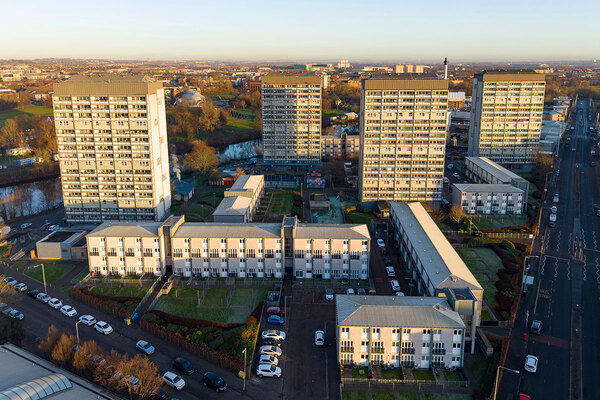
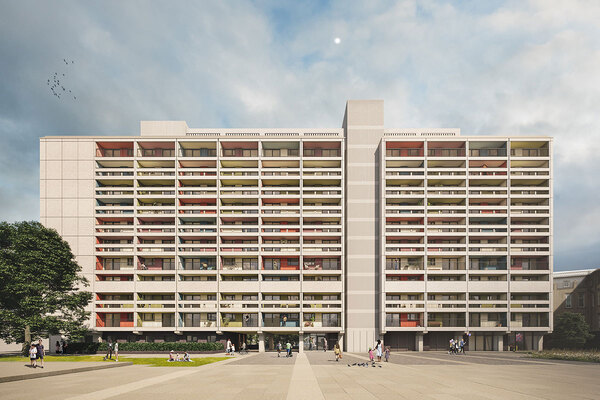
Currently, 1,112 homes across 12 high-rise blocks are in design to enable a deep, holistic, whole-block retrofit and wider upgrades. This significant investment will reduce energy demand across these blocks by over 50%, lowering tenants’ energy costs and ensuring these blocks are net-zero ready. These upgrades will also implement adaptation and resilience interventions to limit the impacts of climate change, and improve biodiversity and the overall quality of the estate in which these blocks are situated. We also have a number of programmes of work underway on low-rise tenements across the city to deliver improvements to council homes.
These improvements include a range of options, from carrying out essential repairs and maintenance, up to the full refurbishment of a home with modern insulation, heating and ventilation, all of which will deliver healthier and more energy-efficient homes.
“Growth must meet our ambitions to be a climate-ready city”
Transport is a key priority, to ensure we create a thriving, well-connected place to work, live and visit. In 2023, we opened our new tram line to Newhaven, expanded and introduced more cycle routes, and purchased electric buses. Our mobility plan and circulation plan include city-wide action centred on public transport, active travel, air quality and road safety. We continue to improve our council fleet, and 30% of our vehicles will be electric by the end of 2024. We are committed to delivering truly sustainable, safe and integrated mobility for Edinburgh over the next 10 years.
Our 20-minute neighbourhoods will deliver on all three of the council’s priorities by creating places where everyone can meet most of their daily needs within a short walk or wheel from home.
We aim to create inclusive places with better access to essential local services and open spaces. Tackling the climate emergency cannot be done by the council alone, so we established the Net Zero Edinburgh Leadership Board. The board brings together partners including the council, the NHS, Edinburgh universities, the chamber of commerce and utility companies, and provides leadership in creating a green, clean and sustainable future for the city.
Tackling climate change is an incredibly challenging task which will only get harder as public funding decreases and costs to deliver key programmes, particularly around our buildings, continue to rise.
However, we remain committed to doing everything in our power to accelerate climate action. Inflation has caused a substantial rise in the cost of materials, which impacts the scale and rate at which projects can be completed within existing budgets. This is affecting planned and future developments, including retrofit programmes and transport infrastructure. Nevertheless, our commitment to net zero remains strong, especially as the cost of inaction is significantly higher.
A resilient city
Taking action on climate change now will avoid the need for more action down the line – building buildings that are fit for our changing climate means we won’t have to retrofit them again in five years. Increasing the resilience of our city avoids costly maintenance and repairs from future flooding and extreme weather events.
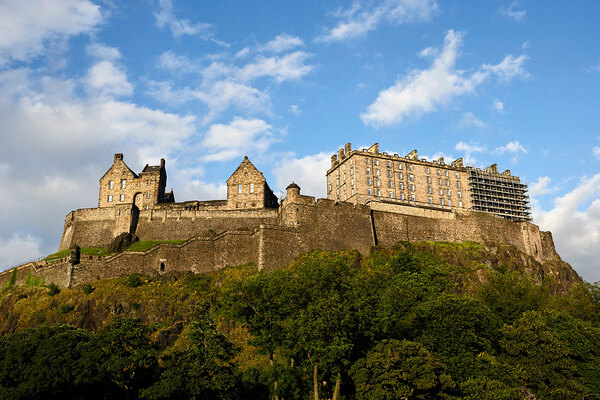
Edinburgh is a historic city, making it a great place to live and visit, but this creates unique challenges for retrofitting and adaption for climate change. The council works in partnership with Edinburgh World Heritage and Historic Environment Scotland to protect and enhance the world heritage site and historic buildings in the city. In 2023, we launched a conservation and adaptation consultation on the challenges residents in the world heritage site and conservation areas face in adapting their homes to climate change and the cost of living crisis.
“Taking action on climate change now will avoid the need for more action down the line”
Overall, the actions in the climate strategy have co-benefits for reducing poverty and inequalities in Edinburgh. This includes tackling transport poverty by improving affordable, sustainable transport options in the city. Actions that address the carbon emissions of social and council housing through a fabric-first retrofit approach will also contribute to lower heating and energy costs for these tenants. These households are among the city’s residents most at risk of fuel poverty. Development of higher-quality green spaces and improved air quality can contribute to health improvements for residents.
We’re at the forefront of driving the change to tackle the climate emergency, but know that the pace and scale of action need to increase significantly. We can’t do this alone. Public – and private – bodies have a huge role to play in delivering net zero. Our success depends on collective effort and participation across society, and closer working with all levels of government, both north and south of the border.
This article was originally published in October 2024
Sign up to Inside Housing’s Sustainability newsletter
Sign up to Inside Housing’s weekly Sustainability newsletter, featuring our in-depth coverage of the sector’s journey to delivering net zero.
Already have an account? Click here to manage your newsletters.
Related stories