You are viewing 1 of your 1 free articles
Let’s reduce fuel poverty by guaranteeing warm homes
Warm Rents is a practical model that allows the sector to move from reacting to cold homes to preventing them, and we need landlords to lead the way, writes Jenny Danson, founder and chief executive of Healthy Homes Hub



Jenny Danson is founder and chief executive of Healthy Homes Hub
 Warm Rents is spractical model that allows the sector to move from reacting to cold homes to preventing them, and we need landlords to lead the way, writes Jenny Danson, founder and chief executive, Healthy Homes Hub
 Every winter, the same calls come in. Damp and mould. Homes that won’t warm up. Residents having to make a horrible choice between heating and eating. And at the centre of it all: homes that are simply too cold to be safe.
Now, through the Warm Rents programme, the Healthy Homes Hub is providing a chance for housing providers to make cold homes a thing of the past.
Everyone in the sector understands the consequences. Cold homes contribute to respiratory illness, worsen existing health conditions and create the damp and mould problems that housing providers are now, rightly, under pressure to address.
With the regulator increasingly focused on proactive approaches and the government committed to warmer homes, the question is no longer whether the sector needs to act, but how.
Read more
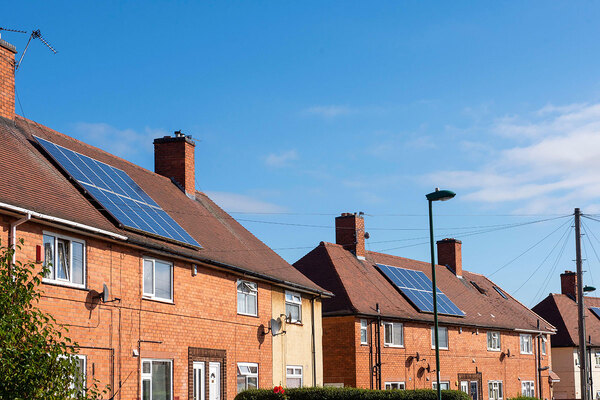
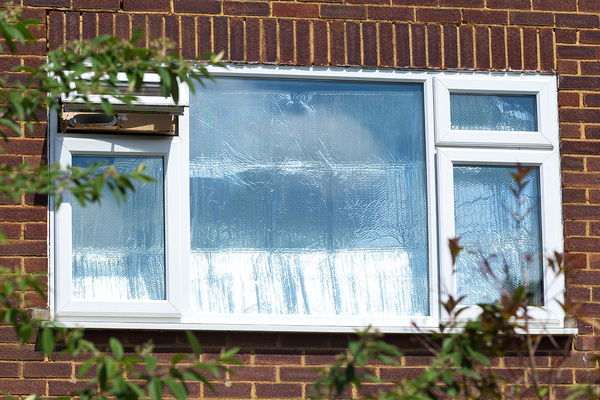

Fuel poverty is not a lifestyle choice. Most social housing residents have little control over the energy efficiency of their homes. Many live in older properties that are expensive to heat, and the social rent formula created more than 20 years ago does not reflect energy performance. Landlords face rent caps that limit flexibility, even where organisations want to innovate.
The result? Residents in the least efficient homes face the highest energy costs, while housing providers deal with the consequences through investment in damp remediation, repairs demand, complaints and disrepair claims.
What has been missing is a practical model that allows the sector to move from reacting to cold homes to preventing them.
“Warm Rents is not a policy proposal sitting on a shelf, it is a practical learning programme designed to help housing providers test how guaranteed minimum warmth could work in practice”
Warm Rents starts from a simple principle: warmth should be treated as a core component of providing a home.
Under this programme, landlords work with residents to ensure homes can reach a minimum safe indoor temperature, typically between 16°C and 18°C during occupied periods. Where affordability prevents this, the landlord steps in to fund the additional energy needed.
This approach does not remove resident choice or prescribe comfort levels. Residents remain in full control to heat their home above the agreed minimum. What it does ensure is that no household experiences prolonged exposure to unsafe indoor temperatures.
Warm Rents is not a policy proposal sitting on a shelf, it is a practical learning programme designed to help housing providers test how guaranteed minimum warmth could work in practice.
Five technology partners – Aico, Sero, IoT Solutions Group (IoTSG), ZapCarbon and iOpt – are supporting participating landlords to identify consistently cold homes, distinguish between affordability issues and structural heat loss and trigger early interventions.
Early work has already demonstrated the potential. During a project in winter 2024-25, 60 homes sitting at temperatures as low as 12-13°C were supported to reach 18°C, reducing mould risk and improving living conditions.
This next phase aims to generate the robust evidence the sector needs to understand the operational, financial and health impacts of this approach.
Housing providers are already spending significant resources responding to cold homes. Warm Rents asks a simple question: what if some of that spending could be redirected towards prevention?
Indicative estimates suggest funding minimum safe temperatures may cost around £500 per home across a winter heating season, though this varies by property performance. Understanding that variation, and comparing it with reactive intervention costs, is exactly the evidence the programme is designed to produce.
“Warm Rents asks a simple question: what if some of that spending could be redirected towards prevention?”
The 2026-27 programme is structured as a sector-wide learning collaboration project. Participating providers will test the approach across different stock types and geographies, sharing insight on how to identify cold homes early, target support fairly and understand the impact on repairs demand, asset performance and resident well-being.
Independent researchers will provide a robust evaluation of the programme so findings can inform future policy discussions about rent structures, affordability and the role of warmth in defining a healthy home.
We are now inviting housing providers to take part. The cohort is deliberately limited. We are looking for organisations willing to be at the forefront of this work, testing the approach rigorously and sharing learning openly.
Participation requires a cohort of homes: a minimum of 10 and ideally 50 or more, with landlords willing to work with residents and contribute to the evidence base.
The organisations joining this programme will help shape the evidence that guides the next generation of housing policy, with an aspiration to eliminate fuel poverty from social housing. They will be recognised as the providers who moved first, not because they had to, but because they saw the opportunity to lead.
Warm Rents offers a practical step towards that future. Will your organisation help define it?
Jenny Danson, founder and chief executive, Healthy Homes Hub
Sign up to Inside Housing’s Sustainability newsletter
Sign up to Inside Housing’s weekly Sustainability newsletter, featuring our in-depth coverage of the sector’s journey to delivering net zero.
Already have an account? Click here to manage your newsletters.
Related stories