You are viewing 1 of your 1 free articles
Now is the time to stop looking at retrofit in isolation
Now is the time for social housing landlords to embed retrofit into asset management programmes, writes Loreana Padron, head of sustainability at ECD Architects


 Now is the time to stop looking at retrofit in isolation #UKhousingNow is the time for social housing landlords to embed retrofit into asset management programmes, writes Loreana Padron, head of sustainability at ECD Architects #UKhousing
A recent report from the National Retrofit Hub underscores the urgency of scaling up housing retrofits to meet the UK’s climate, energy and economic goals. Recommendations for a National Workforce Strategy highlights that retrofit delivery needs to increase from 250,000 to 1.5 million homes annually by 2035.
With 29 million homes needing energy upgrades by 2050, the report outlines 10 policy recommendations, including the need for a cohesive, clearly defined, integrated, co-ordinated and collaborative approach to developing retrofit skills. Such an approach applies beyond skills and could help overcome another huge challenge facing retrofits: a siloed approach to energy efficiency upgrades.
Read more

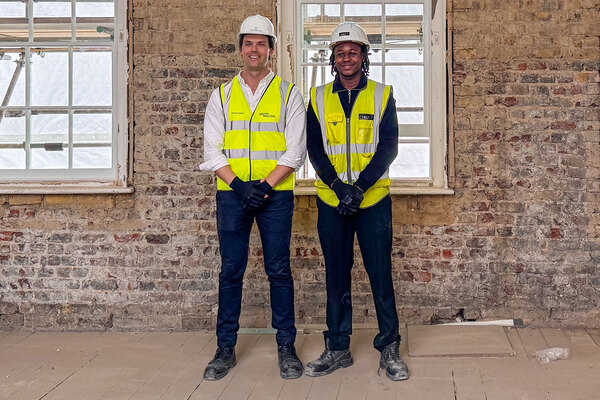

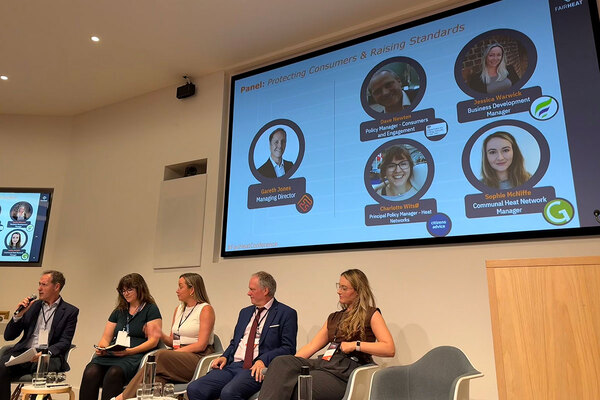
I was part of a panel discussion at Housing 2025, which provided useful insight about the energy and sustainability challenges facing social housing landlords. There’s growing pressure to reduce carbon emissions and address fuel poverty. This must be done while balancing budgets, as well as minimising the disruption of housing upgrade work to carefully manage resident satisfaction.
It’s a complex conundrum that causes retrofit programmes to be approached in isolation of wider planned maintenance programmes. The use of separate consultant teams, procurement routes and contractors across maintenance projects, compared with retrofit programmes, further contributes to disjointed approaches.
Different funding and grant schemes can, unintentionally, add to the problems of siloed housing upgrade strategies. The application criteria and timeframes of different schemes won’t always align, creating an urgency for social landlords to progress with works so they don’t miss opportunities to secure vital funding. Programmes for fabric upgrades, component replacements and energy efficiency end up running in parallel.
The Warm Homes: Social Housing Fund (SHF) Wave 3 provides social landlords with a new opportunity to take a more integrated approach, embedding retrofit as part of asset management programmes. With a requirement to provide 50% match-funding, some registered providers of social housing are considering how their capital works and planned maintenance budgets can serve as co-funding.
Existing investment plans are aligning with SHF delivery to unlock economies of scale, reduce disruption for residents and deliver long-term value.
Strategies and plans are being developed to be more cohesive. However, this requires the co-ordination of specifications, timeframes and stakeholder responsibilities across multiple upgrade programmes. Specialist retrofit designers can help to bridge this gap, mapping out retrofit strategies that dovetail with wider asset management priorities. This includes prioritising archetypes and estates where fire remediation or works for the Decent Homes Standard are already planned and adjusting scopes of work to maximise co-benefits.
A good example of where retrofit has been embedded in an asset management programme is Enfield Council’s project to install better insulation, energy-saving measures and solar panels across 400 homes. The council has secured more than £5m in funding from SHF Wave 3 and added more than £7m from its own budget, making a total investment of over £12m.
“Combining funding streams brings many practical advantages. It enables deeper interventions, such as improving ventilation alongside insulation, while simplifying communication with residents”
Upgrades will include roof and wall improvements, and will be done alongside other planned work to minimise disruption for residents. It’s been acknowledged by the council that by joining Decent Homes and energy efficiency works together, they are able to deliver excellent value for money.
Combining funding streams brings many practical advantages. It enables deeper interventions, such as improving ventilation alongside insulation, while simplifying communication with residents. To do this effectively, there should be early collaboration between housing, asset, sustainability and finance teams.
We’re seeing other practical examples of how embedding retrofit in asset management plans is delivering real benefits. Scheduled works for roof renewals have been aligned with the installation of solar photovoltaic systems and insulation. This avoids the need to revisit roofs later and maximises the value of scaffolding and contractor presence.
Projects have seen cavity wall insulation carried out alongside repointing and external façade works, such as brick repair or render replacement. This type of external work presents an opportunity to upgrade thermal performance, without additional disruption or major changes to property access.
Similarly, ventilation and window upgrades are being delivered together. When new windows are being installed as part of Decent Homes compliance, we have supported plans to include ventilation upgrades within the same work package. This helps to mitigate condensation risk and ensures good indoor air quality alongside improved airtightness.
These examples demonstrate that it is possible to move towards a more joined-up approach, where decarbonisation is not a separate ‘add-on’ project, but a core part of how homes are maintained and improved. The benefits extend to fewer visits to people’s homes and less disruption for residents, lower energy costs and better living standards that support health and well-being.
Achieving this alignment requires flexibility, partnership and a willingness to rethink traditional programme siloes. But the rewards, in terms of resident outcomes, carbon reduction and long-term cost savings, make the effort worthwhile.
Loreana Padron, head of sustainability, ECD Architects
Sign up for our asset management and sustainability newsletter

Already have an account? Click here to manage your newsletters
Sign up to HOMES UK and Unlock Net Zero Live 2025

Whether your focus is building safety, sustainability, development, AI and digital transformation, housing management, procurement, or resident engagement, this is a must-attend event for all UK housing professionals.
Explore opportunities to increase affordable housing supply and improve the quality and sustainability of existing homes.
Related stories