You are viewing 1 of your 1 free articles
New towns should count towards London’s housing target, deputy mayor says
Tom Copley, deputy London mayor for housing and residential development, believes new towns should count towards the capital’s target of 88,000 homes per year.


 New towns should count towards London’s housing target, deputy mayor says #UKhousingTom Copley, deputy London mayor for housing and residential development, believes new towns should count towards the capital’s target of 88,000 homes per year #UKhousing
Mr Copley made the remarks after Crews Hill in Enfield and Thamesmead in Greenwich were named among the 12 locations recommended for 10,000-home developments by the government’s New Towns Taskforce on Sunday.
The taskforce has called for the government to be clear on how these schemes connect with the local housing need targets that local authorities have to meet. In its response, the government said it would confirm details of this in due course.
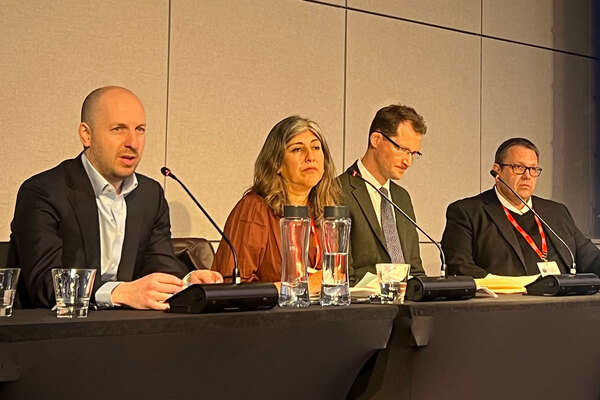
Speaking during a fringe session at the Labour Party Conference on Monday, Mr Copley supported including new town homes in these metrics.
Read more



He said: “London’s been given a target of 88,000 homes per year, it is an enormous target and I think it’s absolutely fair for new towns to count towards that.”
Mr Copley pointed out that Thamesmead is “already delivering”. He added: “Why draw a red line around that and say it won’t count towards 88,000 homes?
“I think that… we can get the government into a good place on this. Of course I think they should count towards the housing target.”
But he admitted there are reasons why in some places the government may not be keen on seeing this happen.
“I can see why when the government initially announced new towns, they said that they wouldn’t count towards targets because there are parts of the country, it has to be said, that are not as enthusiastic about building as in London.
“And they might have just said, ‘Well ,we’ll stick all of our new housing into the new town and we won’t have to build any anywhere else’. That’s not the case in London.”
Mr Copley was responding to James Stevens, director for cities at the Home Builders Federation, who warned of a potential risk to projects if the housing does not count towards the mayor’s goals.
Asking for confirmation on whether housing in London’s new towns would go towards a Greater London Authority or national target, Mr Stevens said: “Because I understand the appetite, perhaps, for the mayor to use mayoral development corporations to deliver new settlements in the green belt might be limited if he can’t get to count on those numbers.”
The issue of new towns potentially being undermined if they do not count towards housing targets was also highlighted in the report by the government’s expert taskforce. It recommended the government should develop a clear position so that new towns bring “genuinely additional housing”, which is reflected fairly in local targets.
The taskforce said it had heard “strong support” that homes delivered through these schemes should count against local housing targets.
“In particular, we heard the view that if new towns are without exception, additional to existing targets, this could be a disincentive for places to plan for a new town,” it added.
“This could undermine the role of new towns as long-term strategic interventions aimed at avoiding piecemeal development.
“For example, if the area of a new town included sites close to delivery which local councils had included in their local plans, they may not always be easily able to find further sites in the timescales envisaged by local housing targets.”
But the Home Builders Federation also noted that the government has other factors to consider, including its aim of delivering new towns quickly.
In response to the taskforce’s report, the government said it “wants to reassure local leaders that a consistent and fair approach will be taken to how local housing need targets interact with the future delivery of new towns, to support our overall aim of increasing housing supply”.
A more detailed response to the taskforce’s recommendations is expected in spring.
Inside Housing has put together key takeaways from the New Towns Taskforce’s report and responses from the sector.
Sign up for our development and finance newsletter
Already have an account? Click here to manage your newsletters
Related stories