A guide to net zero: introducing the Cities Encyclopaedia
The new Cities Encyclopaedia takes an in-depth look at how 19 cities across the UK are looking to deliver on net zero and decarbonise their homes


 The new Cities Encyclopaedia takes an in-depth look at how 19 cities across the UK are looking to deliver on net zero and decarbonise their homes #UKhousing
Go back to the Cities Encyclopaedia
In association with:
Decarbonising our cities and making their housing stock fit for the future is a mammoth challenge.
Across the UK, cities are taking that challenge on. Many have declared climate emergencies and are looking to deliver on the net zero transition at a faster rate than the government requires them to achieve.
The Cities Encyclopaedia is an ambitious new project that has built up a comprehensive picture of the action cities are taking to deliver and to share learning.
The project has seen Inside Housing produce 19 individual reports on UK cities’ performance. The overall project is in partnership with Mears, one of the UK’s main housing service providers.
The reports pick up on lessons from the cities’ actions to date and examine some of the challenges they have faced and how they are approaching them. It builds on the work of the Cities Report, published on Inside Housing’s sister site, Unlock Net Zero, last year.
Read more
Ultimately the aim is to create a network of learning, so cities and towns can learn from each other, with the information easily accessible in one place on Inside Housing’s website. The report launches the same day as Inside Housing’s new sustainability newsletter, which will deliver additional in-depth analysis, research and news to your inbox every week. Click here to sign up to that now.
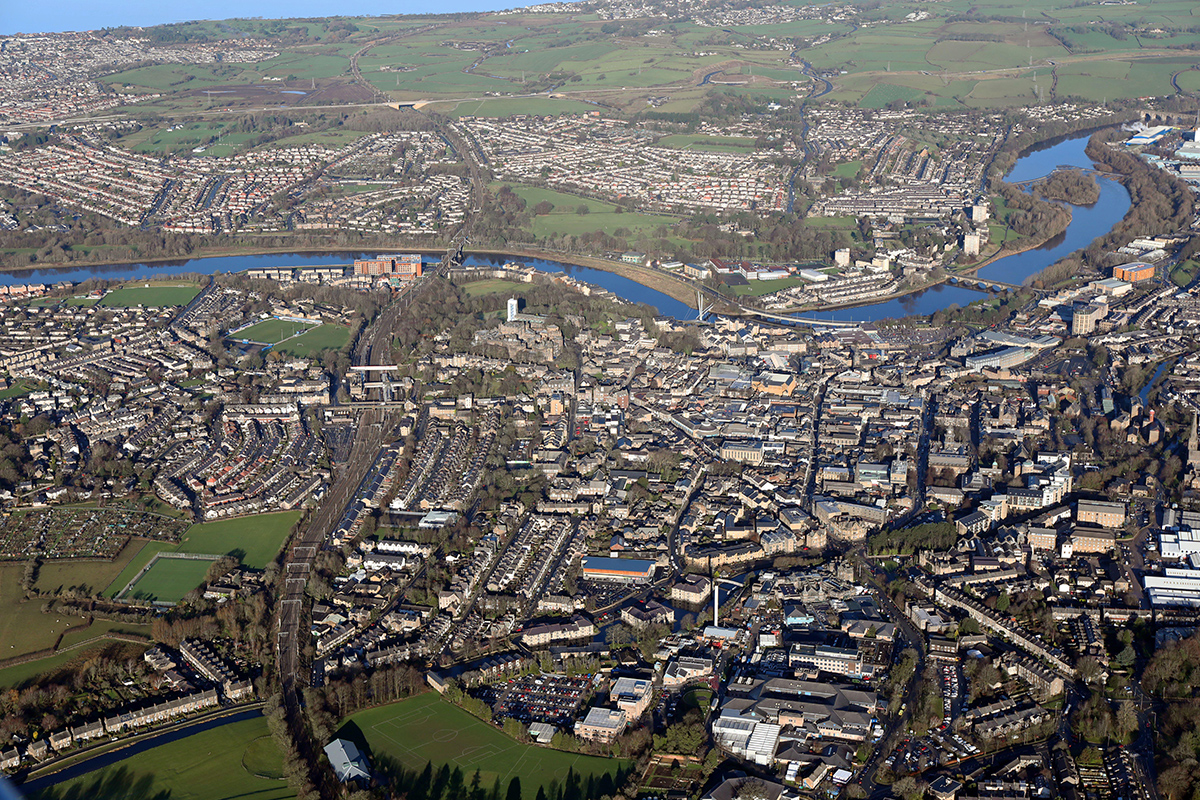
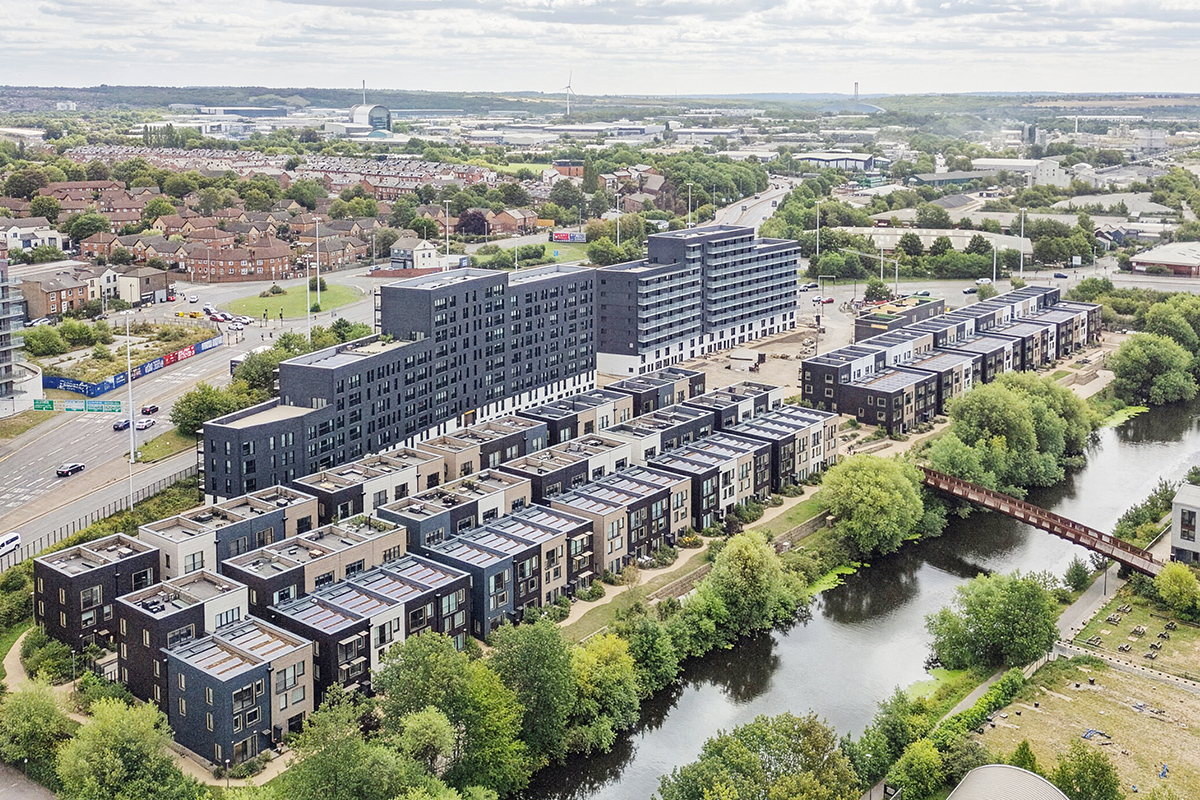
The reports, which cover performance over the past two years, include a detailed look at the steps Leeds is putting in place to fulfil its ambitions to become the UK’s first net zero, climate positive city and how Lancaster, the top-performing district council on Climate Emergency UK’s 2025 scorecards, is using net zero targets to create healthy places to live and drive down bills.
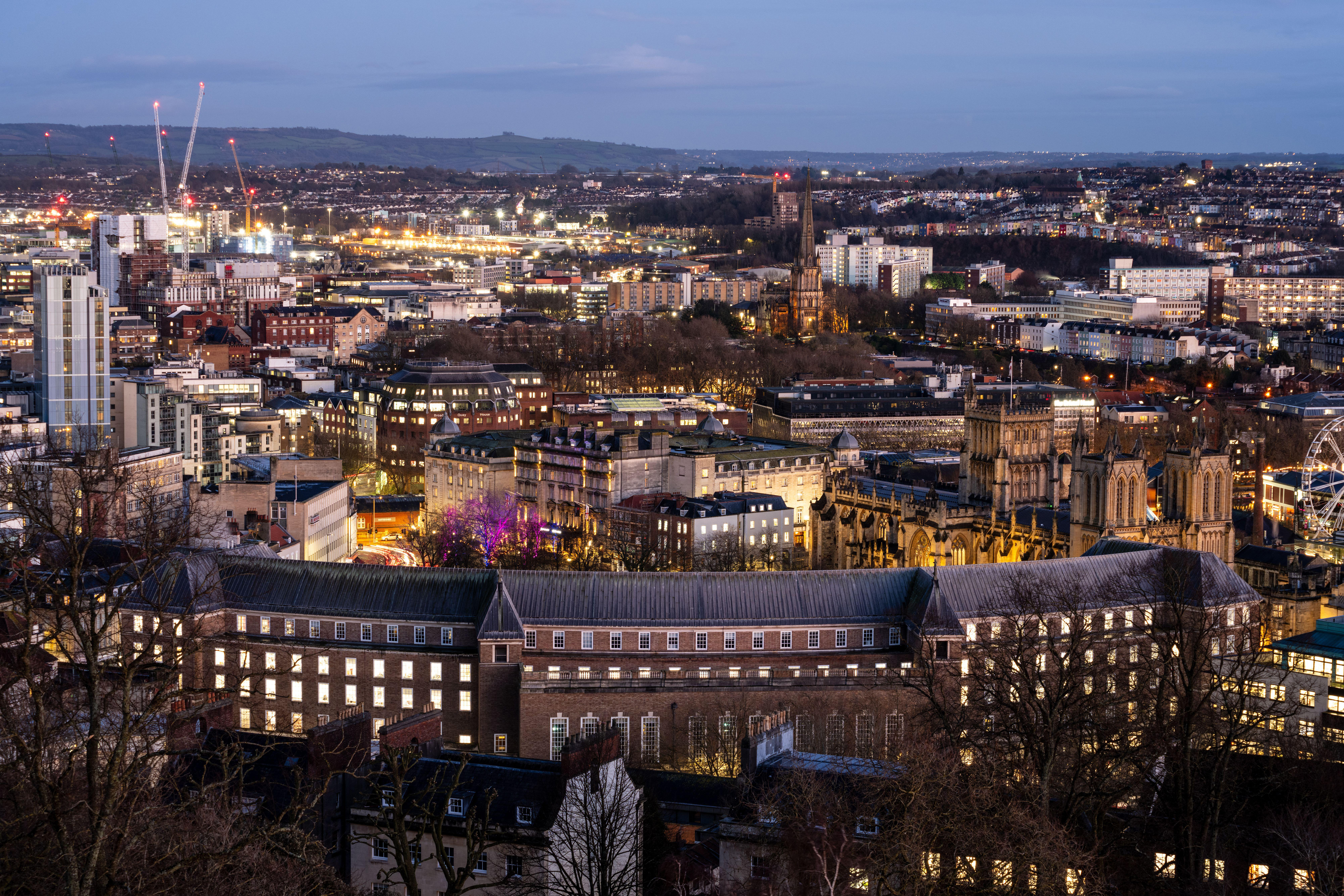
In Bath and North East Somerset, we take a look at what its declaration of an ecological as well as a climate emergency means for housing, and in Bristol we look at how housing departments could and should be contributing to councils’ missions to deliver on net zero.
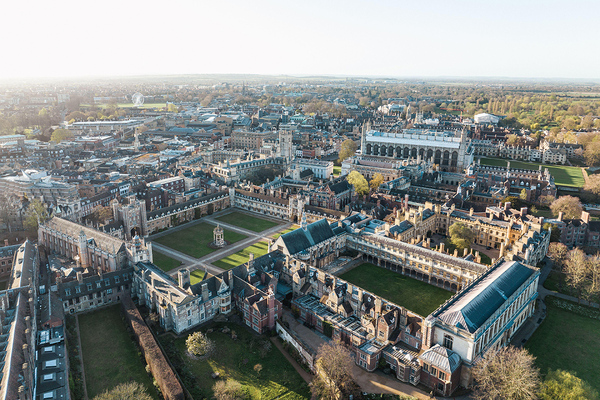
In Cambridge, we look at detailed research from the Cambridge Institute for Sustainability Leadership earlier in 2025 that identified actionable strategies to accelerate retrofits (like Bath, the number of listed buildings in Cambridge is one complicating factor that must be taken account of). And in Aberdeen we explore the city’s net zero routemap and how it has broken its journey down into strategies based on six themes. Our piece looks at both the actions it is looking to take, the challenges it has identified in delivering on each of those six themes and how the city is looking to overcome them. And we also take a detailed look at what it’s like to live in Scotland’s biggest Passivhaus development, in Glasgow, the benefits for tenants and the lessons learned from it. And in Brighton & Hove we hear from the city’s cabinet member for net zero and environmental services about its decarbonisation pathways study and what a net zero Brighton might look like.
The Cities Encyclopaedia also brings together learning from the Cities Report, including detailed looks at decarbonisation work in Belfast, Birmingham, Cardiff, Coventry, Derby, Edinburgh, Greater Manchester, Hull, Liverpool, London and Newcastle.
This is one of the most detailed and up-to-date pictures of progress and thinking about the delivery of net zero housing and cities in the UK. Each individual city’s report contains huge amounts of detail. But there are some common themes. These include the importance of taking a whole-systems approach to delivery. For progress to be anywhere near what it needs to be, councils must act to convene key players, including other housing providers, developers, businesses, charities and, most importantly, residents.
Many of the cities address this latter group very directly in their various routes and pathways to delivery. Aberdeen places “empowerment” as one if its six main themes and stresses the importance of things like climate literacy campaigns and “place-based narratives” around climate change, that resonate directly with communities and individuals. It also warns that transparency is crucial to maintain trust and that progress needs to be transparent too, so people can “see the benefits for themselves and the city”.
Many of the cities we look at are also looking at making changes to the way energy is supplied to homes and the way they are heated. Investment is a key threat here – and the importance of the government as a key partner in creating certainty is a common theme, too. Long-term investment is a key ask throughout the reports.
Nonetheless, despite some of the challenges, the reports reveal significant change is already under way. We take a look at a number of annual progress reports from 2025, to look at the road that has been travelled and the distance left to go. But there is a clear collective ambition and impressive delivery taking place right across the UK as we speak.
As the Cities Encyclopaedia’s key partner, Mears works with councils, housing associations and central government departments, and looks after around 450,000 homes across the UK, supporting over a million residents, with services covering repairs, maintenance, compliance, housing management and domestic retrofit.
On domestic retrofit, in support of the government and social landlords’ Energy Performance Certificate (EPC) and net zero goals, Mears also supports 16 clients across 24 projects to model their data and develop investable propositions to secure roughly £83m of Social Housing Decarbonisation Fund/Warm Homes: Social Housing Fund funding to date. Across the UK, Mears has worked with supply chains to install more than 30,000 insulation, clean heat and renewable energy measures to enhance energy efficiency and the quality of residents’ homes, reducing fuel stress and energy costs.
In practice, that means Mears is expecting to decarbonise 8,000 homes by 2028, all achieving EPC Band C and an average energy bill reduction for residents of roughly £291 each year, alongside an energy reduction of 21,826 MWh.
Mears will continue to work with Inside Housing and the sector to contribute to the Cities Encyclopaedia, and to share learning and best practice from across the sector.
But for now, the Cities Encyclopaedia brings together a huge amount of learning in an easily accessible and digestible format.
By bringing that learning together, we hope it can act as a centre for learning and sharing ideas, and ultimately to deliver better, more sustainable city living, alongside more desirable places to live.
“With the talent and ambition across our region, we’re confident that north-east Scotland will continue to be a key player in shaping a positive, low-carbon future.”
Sign up to Inside Housing’s Sustainability newsletter
Sign up to Inside Housing’s weekly Sustainability newsletter, featuring our in-depth coverage of the sector’s journey to delivering net zero.
Click here to register and receive the Sustainability newsletter straight to your inbox.
And subscribe to Inside Housing by clicking here.
Already have an account? Click here to manage your newsletters.
Related stories